Three Words That Get Used Interchangeably but Shouldn't
If you have ever filed a water damage claim, you have probably seen the words mitigation, restoration, and remediation on the same estimate and wondered whether you are being charged three times for the same thing. You are not. They describe three different phases of the same job, they happen in a specific order, and insurance treats them differently. Understanding the distinction helps you read your estimate, ask better questions, and avoid paying for work that was skipped.
The short version: mitigation stops the damage from getting worse, restoration puts your property back to how it was, and remediation removes contamination like mold or sewage when it is present. Most water losses need the first two; the third depends on what was in the water and how long it sat. Here is how they compare at a glance.
| Water Mitigation | Water Restoration | Water Remediation | |
|---|---|---|---|
| Goal | Stop the loss from spreading | Return property to pre-loss condition | Remove contamination (mold, sewage) |
| When | First, within hours | After drying is complete | When Category 2/3 water or mold is present |
| Typical work | Water extraction, drying, tarping, board-up | Drywall, flooring, paint, rebuild | Containment, HEPA filtration, antimicrobial, removal |
| Urgency | Emergency | Scheduled | As needed |
What Water Mitigation Is
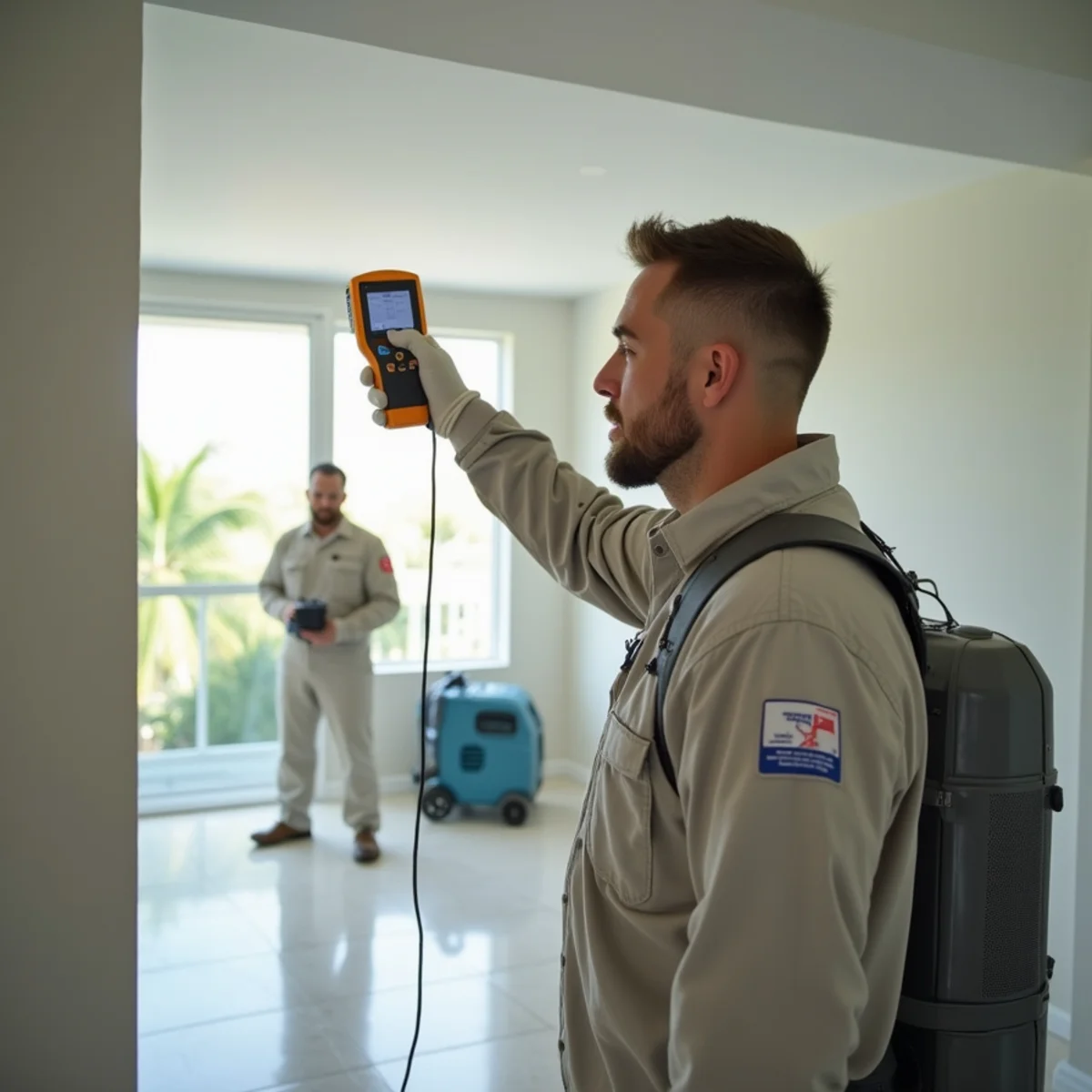
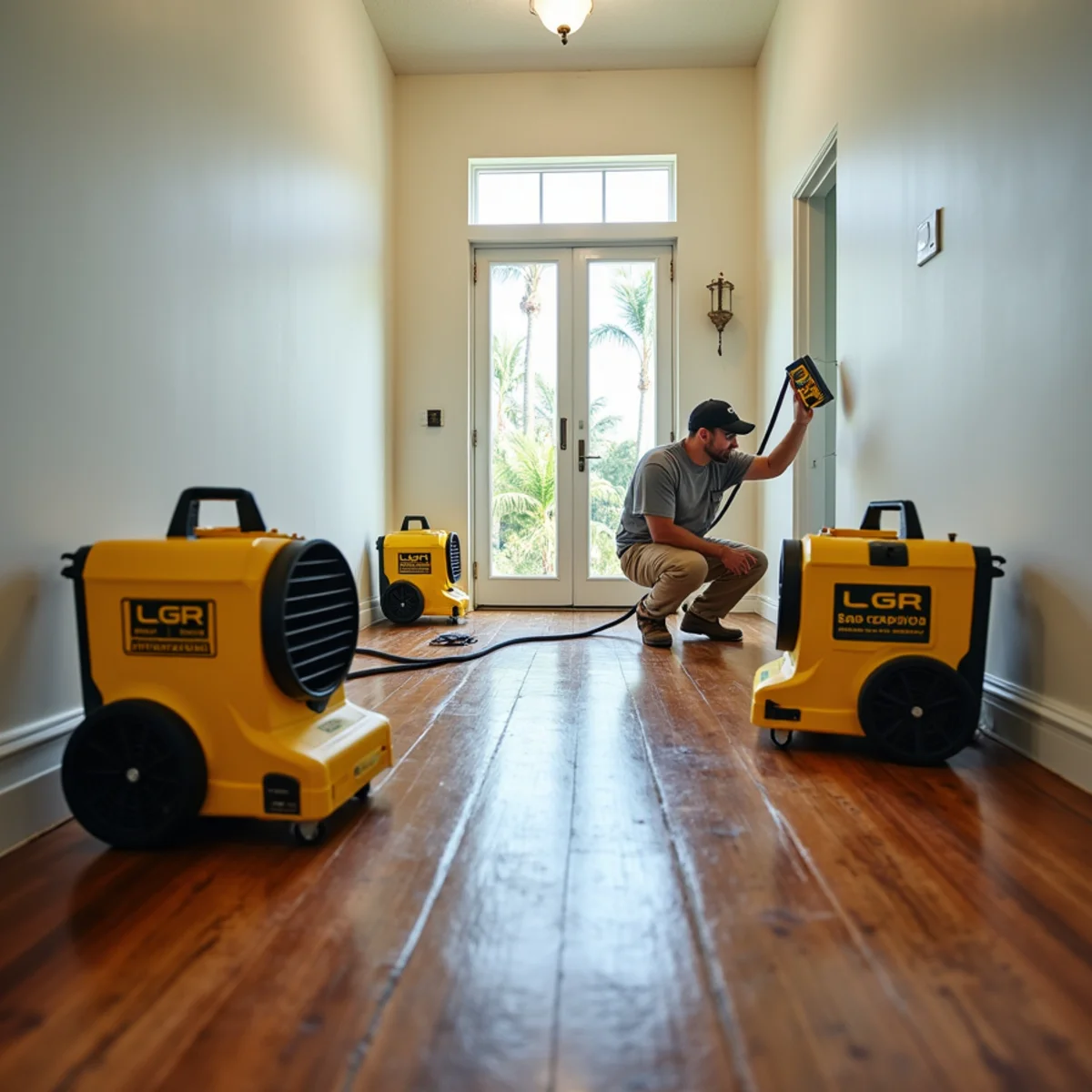
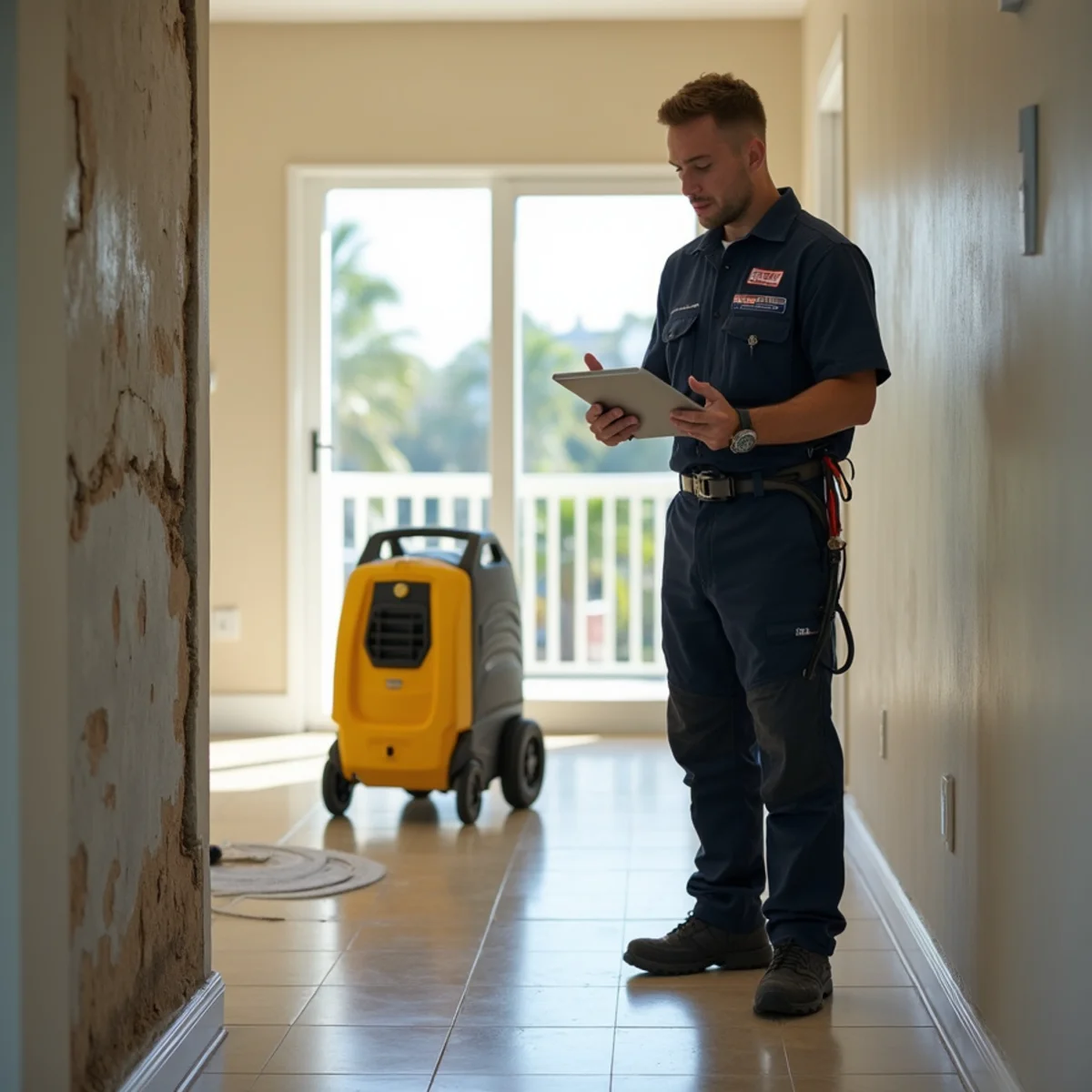
Mitigation is everything done in the first hours and days to keep a bad situation from becoming a worse one. It is the emergency phase: extracting standing water, setting air movers and dehumidifiers, pulling soaked baseboards, tarping a roof, and boarding up openings. The point is not to make anything look finished, it is to stop water from wicking into more drywall, warping more flooring, and feeding mold. Our water extraction and structural drying crews treat this as the clock-sensitive part of the job, because in our humidity every hour of delay widens the damage.
Insurers care about mitigation because a homeowner has a duty to mitigate — to take reasonable steps to limit the loss. Documenting fast mitigation with photos and moisture readings protects your claim. Skipping it can actually reduce what the insurer pays, because damage that spread due to delay may be considered preventable.
What Water Restoration Is
Restoration is the rebuild. Once the structure is dry and verified with moisture meters, restoration replaces what was damaged: new drywall, fresh paint, flooring, trim, and sometimes cabinetry. This is the phase that makes your home look like the loss never happened. It only begins after drying is confirmed, because building over damp materials traps moisture and seeds mold behind a brand-new wall. Our water damage restoration process keeps these phases in the right order for exactly that reason.
Restoration is usually the most visible and often the largest line item, but it is also the one that depends entirely on the quality of the mitigation that came before it. Rushed or incomplete drying shows up months later as peeling paint, musty odor, or recurring stains.
What Water Remediation Is
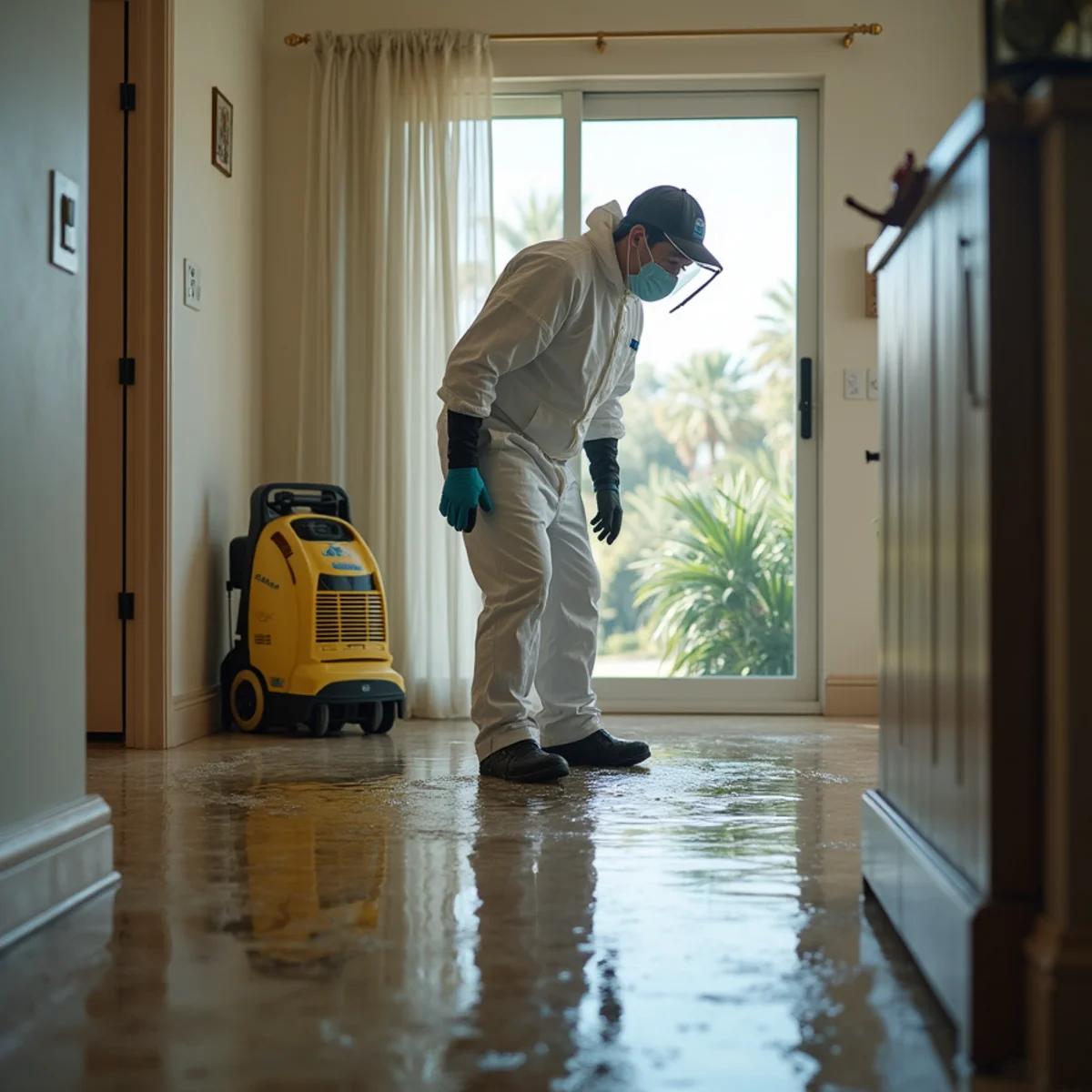
Remediation is the contamination phase, and it is not always needed. If the water was clean and dried quickly, you may skip it entirely. But if the water was gray or black, or if drying was delayed long enough for mold to establish, remediation removes the hazard safely. That means containment barriers, HEPA air scrubbers, antimicrobial treatment, and physical removal of affected materials. When mold is involved, our mold remediation team handles this under containment so spores are not spread through the rest of the home; when the water was sewage, our sewage cleanup crews manage it as a biohazard.
The word remediation specifically signals that something harmful is being addressed, not just water. That is why it tends to appear on estimates for older losses, sewage backups, or any job where the water sat for days.
The Order Matters, and Skipping a Step Costs More
The correct sequence is mitigation, then remediation if needed, then restoration. Do them out of order and you pay twice. Rebuild before drying and the moisture ruins the new materials. Paint over mold and it bleeds back through. The reason a reputable company insists on verifying dryness before restoration is not to pad the timeline, it is to make sure the expensive rebuild is not wasted.
This is also why water damage estimates look layered. Each phase is a distinct scope of work with its own crew, equipment, and sometimes its own insurance sub-limit. Knowing which is which lets you confirm nothing was quietly skipped between the drying and the rebuild.
Which One Does Insurance Pay For?
Most homeowner policies cover sudden, accidental water damage, and that coverage typically spans all three phases when the cause is covered. Mitigation is almost always covered because you are required to do it. Restoration is covered to return the property to pre-loss condition. Remediation coverage is where it gets specific: mold remediation often carries a separate, limited cap, and gradual damage from a long-ignored leak may be excluded. Our guide on filing a Florida water damage claim walks through documenting each phase so nothing falls through the cracks.
If you are staring at an estimate and are not sure what you are looking at, call Ultra Mold Water Restoration at (866) 688-0301. We will walk you through which phase each line item belongs to and what to expect next.
Need water damage restoration in South Florida?
Ultra Mold responds 24/7 — free inspection, certified & insured. See our water damage restoration service →
Frequently asked questions
Mitigation is the emergency phase that stops damage from spreading — extraction, drying, tarping. Restoration is the rebuild that returns your property to its pre-loss condition after everything is dry. Mitigation happens first; restoration happens last.
Not usually. Mitigation focuses on removing water and drying the structure. Mold removal is remediation, a separate phase that happens when contamination is present. Fast mitigation is what prevents mold from forming in the first place.
You should not. Restoring or rebuilding over materials that are still damp traps moisture, warps new finishes, and grows mold behind the wall. Drying must be verified with moisture meters before restoration begins.
Extraction is usually same-day, and structural drying typically runs three to five days depending on how much water there was and what materials got wet. Restoration is scheduled after drying is confirmed and can take longer.