What Actually Happens After You Call
Water damage restoration follows a well-defined sequence, and knowing it in advance takes a lot of the stress out of a flooded home. Whether the cause was a burst pipe, a roof leak, or an appliance failure, a professional job moves through the same five phases: inspection, extraction, drying, cleaning, and rebuild. The timeline varies with the size of the loss, but the order never changes, because each step depends on the one before it. Here is what each phase involves and roughly how long it takes.
- 1
Inspection and moisture assessment
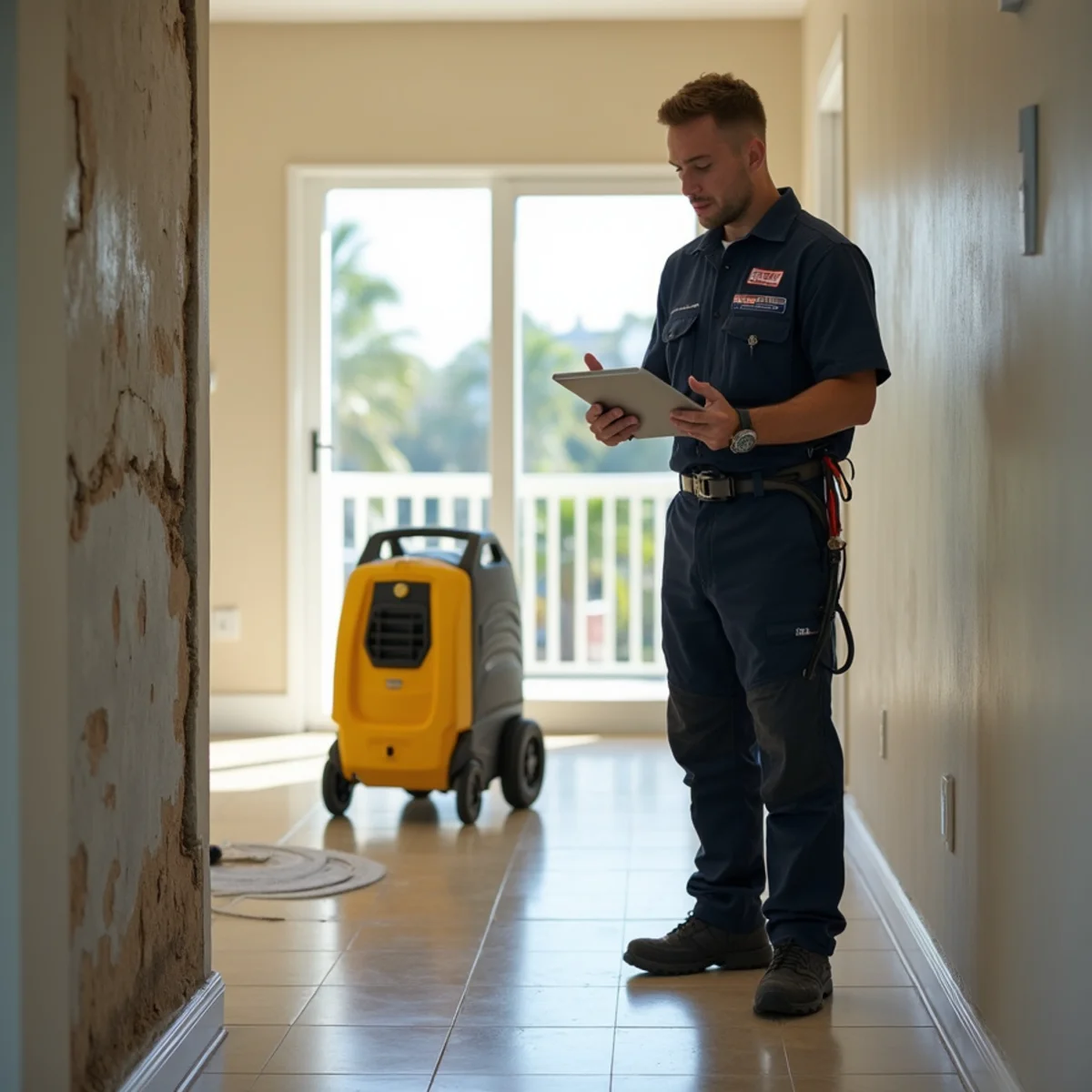
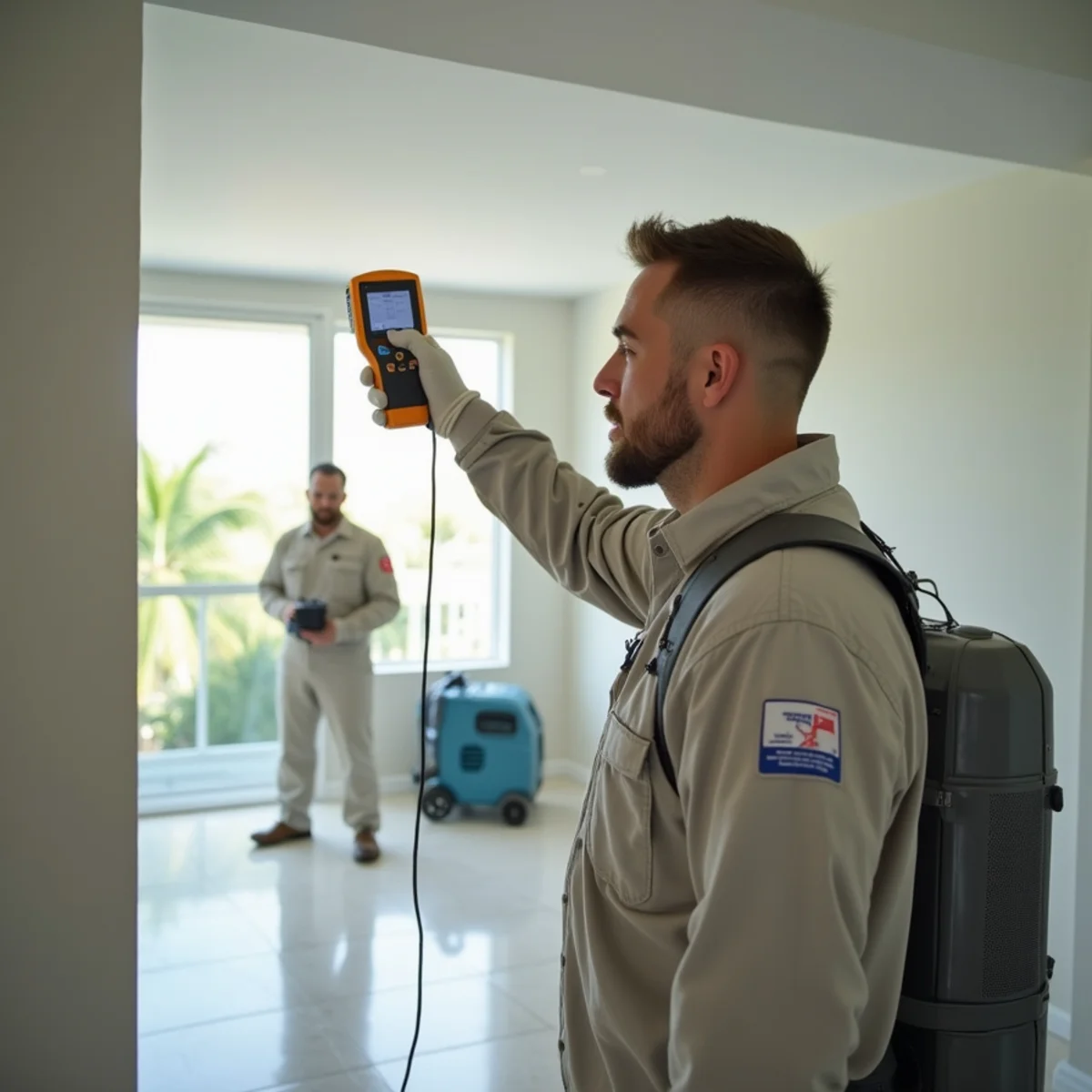
A technician finds the water source, stops it if it is still active, and maps the full extent of the damage with moisture meters and often thermal imaging. This matters because water travels far beyond the visible wet spot. The assessment sets the drying plan and documents the loss for your insurer. Usually done the same day you call.
- 2
Water extraction and removal
Standing water is pumped and vacuumed out immediately, because every hour it sits widens the damage. Our extraction crews remove bulk water first, then address what has soaked into materials. Same-day, often within hours of arrival.
- 3
Drying and dehumidification
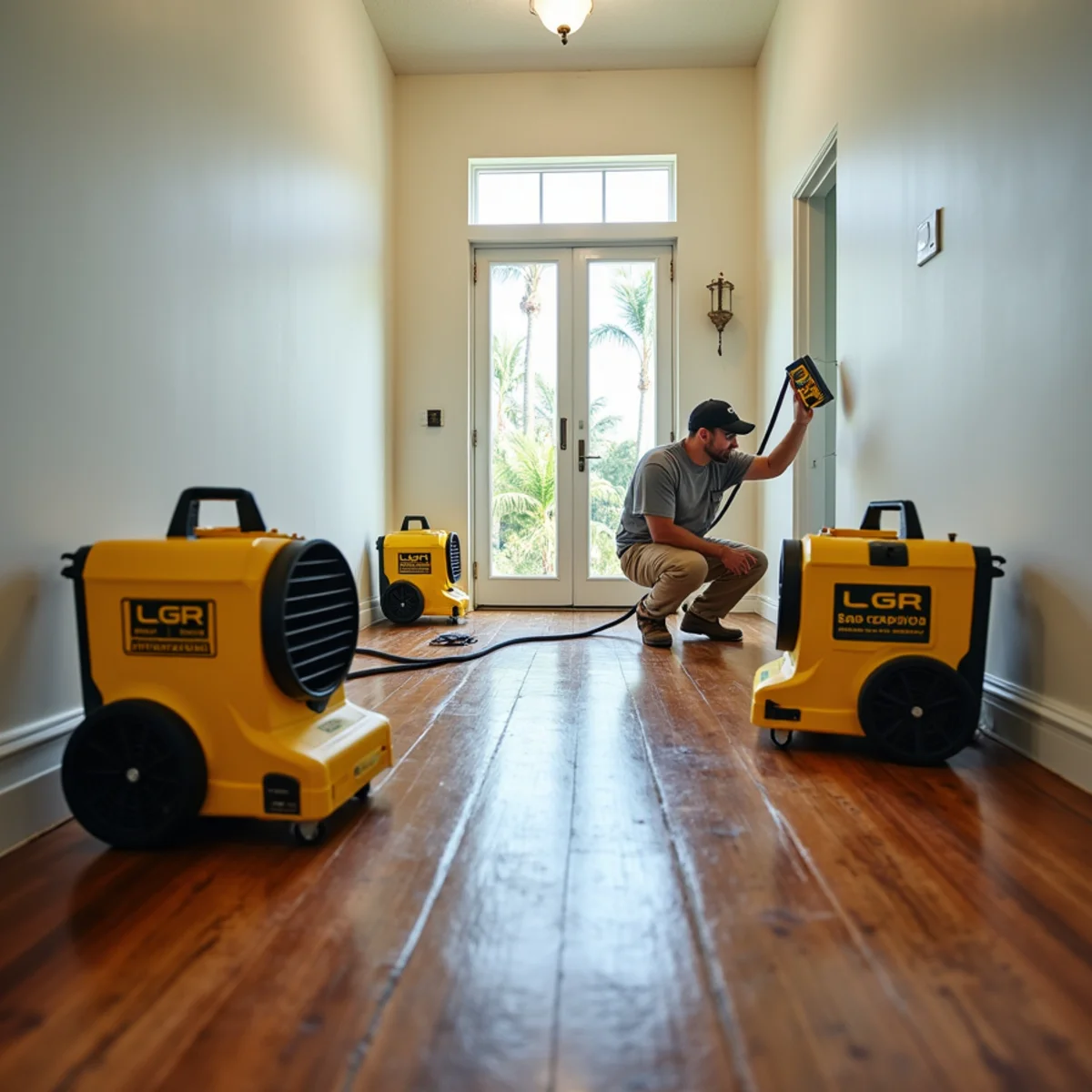
Air movers and commercial dehumidifiers are placed to dry the structure, including moisture hidden inside walls and under flooring. Readings are checked daily and equipment is adjusted until targets are met. Typically three to five days.
- 4
Cleaning, sanitizing, and antimicrobial treatment
Affected surfaces and contents are cleaned, deodorized, and treated to prevent mold. If the water was contaminated, this is where biohazard protocols and antimicrobial application come in. Done alongside or just after drying.
- 5
Restoration and repairs
The rebuild: replacing drywall, flooring, trim, and paint to return the home to its pre-loss condition. This begins only after dryness is verified. Anywhere from a day to several weeks depending on scope.
Why the Order Can't Be Shortcut
The single most common way a water damage job goes wrong is rebuilding before the structure is dry. New drywall over a damp cavity traps moisture, warps, and grows mold behind a freshly painted wall within weeks. That is why a reputable restorer will not start the rebuild until moisture meters confirm the target, even if the walls look and feel dry. The drying verification is the checkpoint that protects the entire investment. Our full water damage restoration service is built around keeping these phases in sequence.
It is also why the process can feel like it pauses between drying and rebuild. That pause is the drying confirmation, and it is doing important work even when nothing visible is happening.
How Long Does the Whole Process Take?
For a typical residential loss, extraction and drying take about three to five days, and the rebuild follows based on how much needs replacing. A small single-room job can be fully restored in under a week; a large multi-room loss with cabinetry and flooring can run several weeks, especially once materials and any contractor scheduling are factored in. Our breakdown of how long water damage takes to dry covers the drying phase in more detail.
Contamination extends the timeline. If the water was gray or black, or if mold was found, a remediation phase is added before the rebuild. Understanding water categories helps explain why two losses of the same size can have very different timelines.
What to Expect With Your Insurer
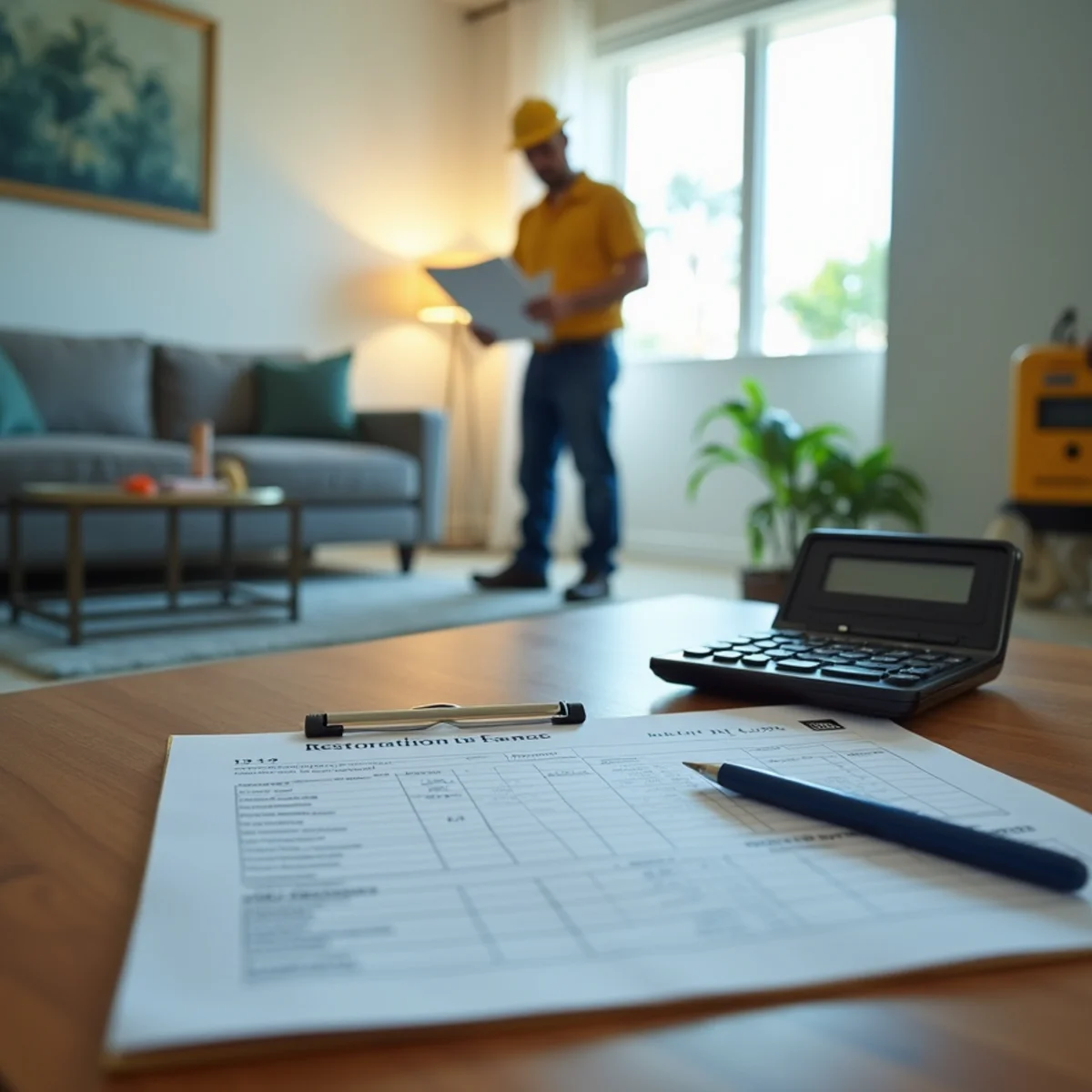
Most restoration companies document each phase with photos, moisture logs, and an itemized scope, which is exactly what your insurer needs. You will generally pay your deductible, and the restorer often bills the insurer directly for covered work. Keeping your own photos from the moment you discover the damage strengthens the claim. Our guide on filing a Florida water damage claim walks through the documentation step by step.
Ultra Mold Water Restoration handles inspection through rebuild across South Florida and is available 24/7. If you are dealing with water damage now, call (866) 688-0301 and we will start the process today.
Need water damage restoration in South Florida?
Ultra Mold responds 24/7 — free inspection, certified & insured. See our water damage restoration service →
Frequently asked questions
There are five: inspection and moisture assessment, water extraction, drying and dehumidification, cleaning and sanitizing, and restoration or rebuild. They always happen in that order because each step depends on the one before it.
Extraction and drying typically take three to five days. The rebuild follows and depends on how much was damaged, so a small job can finish in under a week while a large loss can take several weeks.
Often not, especially for a contained single-room loss. You may need to relocate if the damage is widespread, the power must be off, or contamination makes areas unsafe. Your restorer will advise based on the specific situation.
Most homeowner policies cover sudden, accidental water damage across all phases, from mitigation through rebuild. Gradual damage from a long-ignored leak is often excluded, and mold remediation may carry a separate limit.