The Short Answer
With professional air movers and dehumidifiers running, most residential water damage dries in three to five days. A small, clean-water spill caught early can be dry in two to three days; a larger loss that soaked walls, cabinets, and flooring can take a week or more. Drying out on its own, without equipment, can take weeks, which is far too long in our climate because mold starts within one to two days. The table below breaks the timeline down by what actually got wet, since materials dry at very different rates.
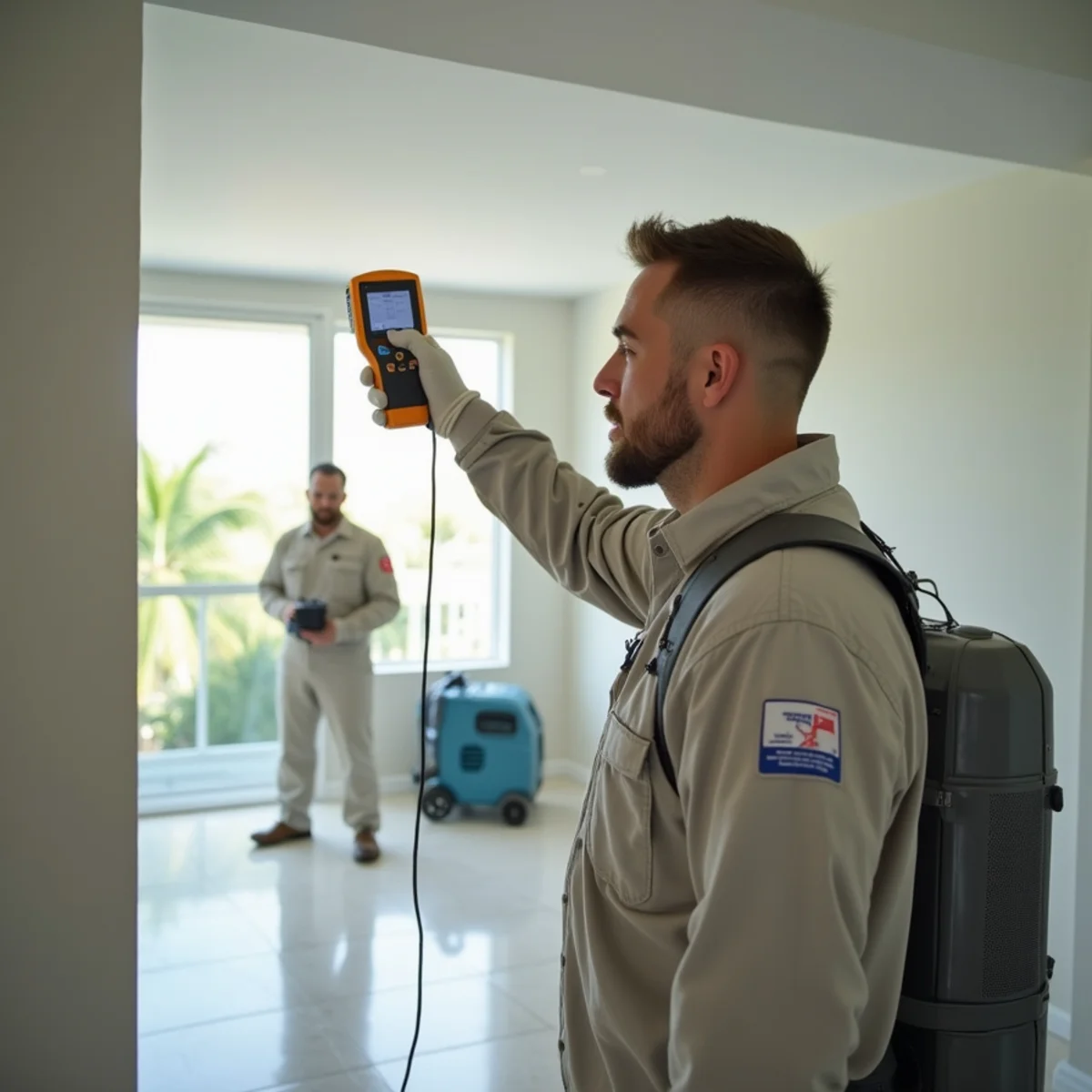
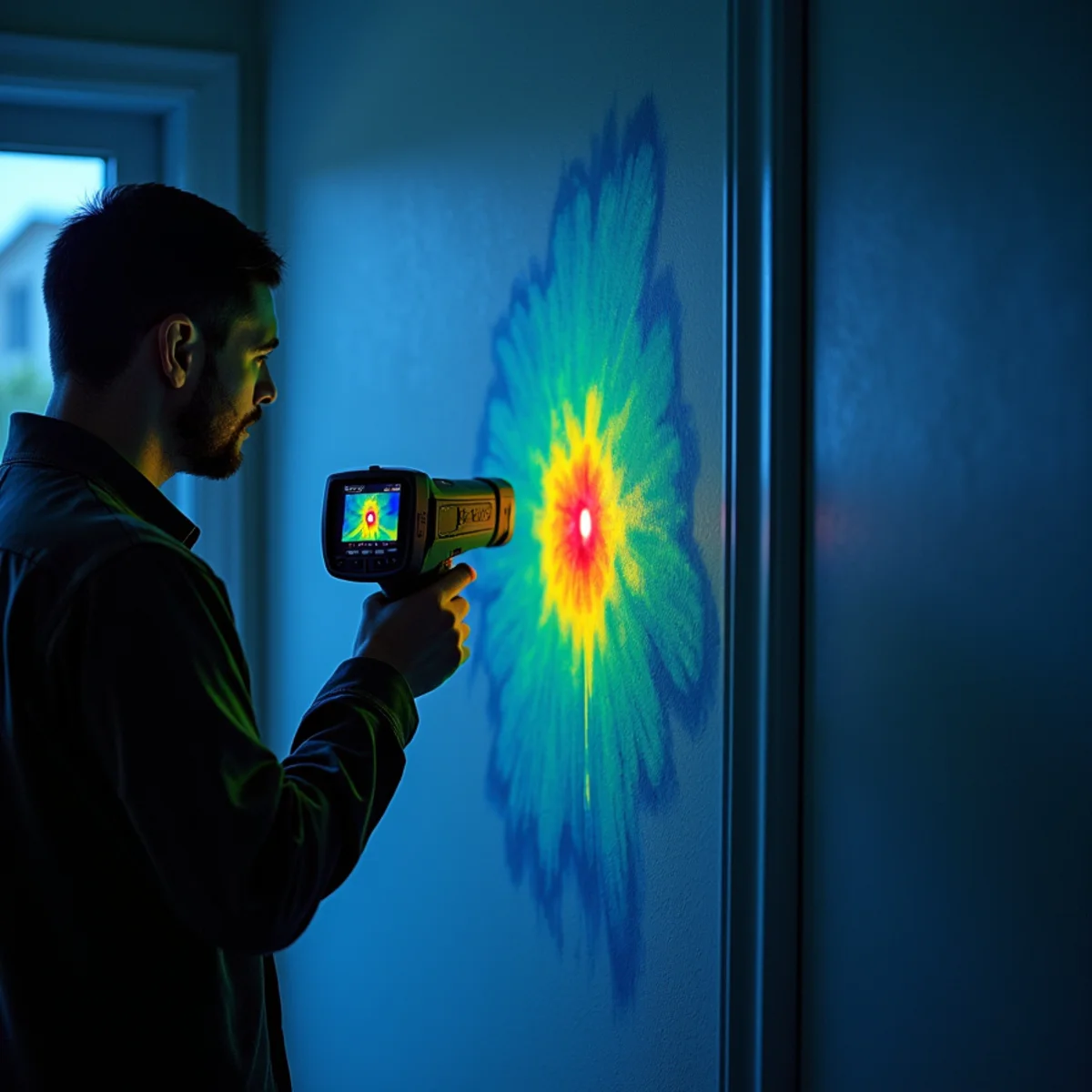
One important distinction: "dry to the touch" is not the same as "dry." A wall can feel dry on the surface while the cavity behind it still holds moisture. Professionals measure dryness with meters and compare it to a dry reference area, rather than guessing by feel.
| Material | Typical drying time | Notes |
|---|---|---|
| Carpet (with extraction) | 1–3 days | Padding underneath usually replaced, not dried |
| Drywall | 3–5 days | Longer if water wicked high up the wall |
| Hardwood flooring | 1–2+ weeks | Cups and warps; sometimes needs specialty mats |
| Plaster | 1–2 weeks | Dense and slow to release moisture |
| Concrete / slab | Several weeks | Holds moisture long; affects what you can install over it |
Drying Time by Severity
- Minor (a clean spill or small leak, caught within hours): often 2–3 days.
- Moderate (water across a room, into baseboards and lower drywall): typically 3–5 days.
- Severe (standing water, multiple rooms, saturated structure): a week or more, sometimes with demolition of unsalvageable materials first.
Why South Florida Slows Drying Down
Drying works by pulling moisture out of materials and into the air, then removing it from the air with a dehumidifier. In a dry climate that happens quickly. In South Florida, the outdoor air is already heavy with moisture, so drying has to fight the ambient humidity the whole way. Open windows actively hurt here — they let humid outdoor air in and slow the process. Our water extraction and drying crews run sealed, dehumidified drying setups precisely because our climate punishes the open-the-windows approach that works up north.
Slab-on-grade construction adds another wrinkle. Most South Florida homes sit on concrete slabs with no basement, and concrete holds moisture for weeks. If water sat on a slab under flooring, the slab itself may need to dry before new flooring can safely go down, which can extend the restoration timeline even after the visible areas feel dry.
DIY Air-Drying vs. Professional Structural Drying
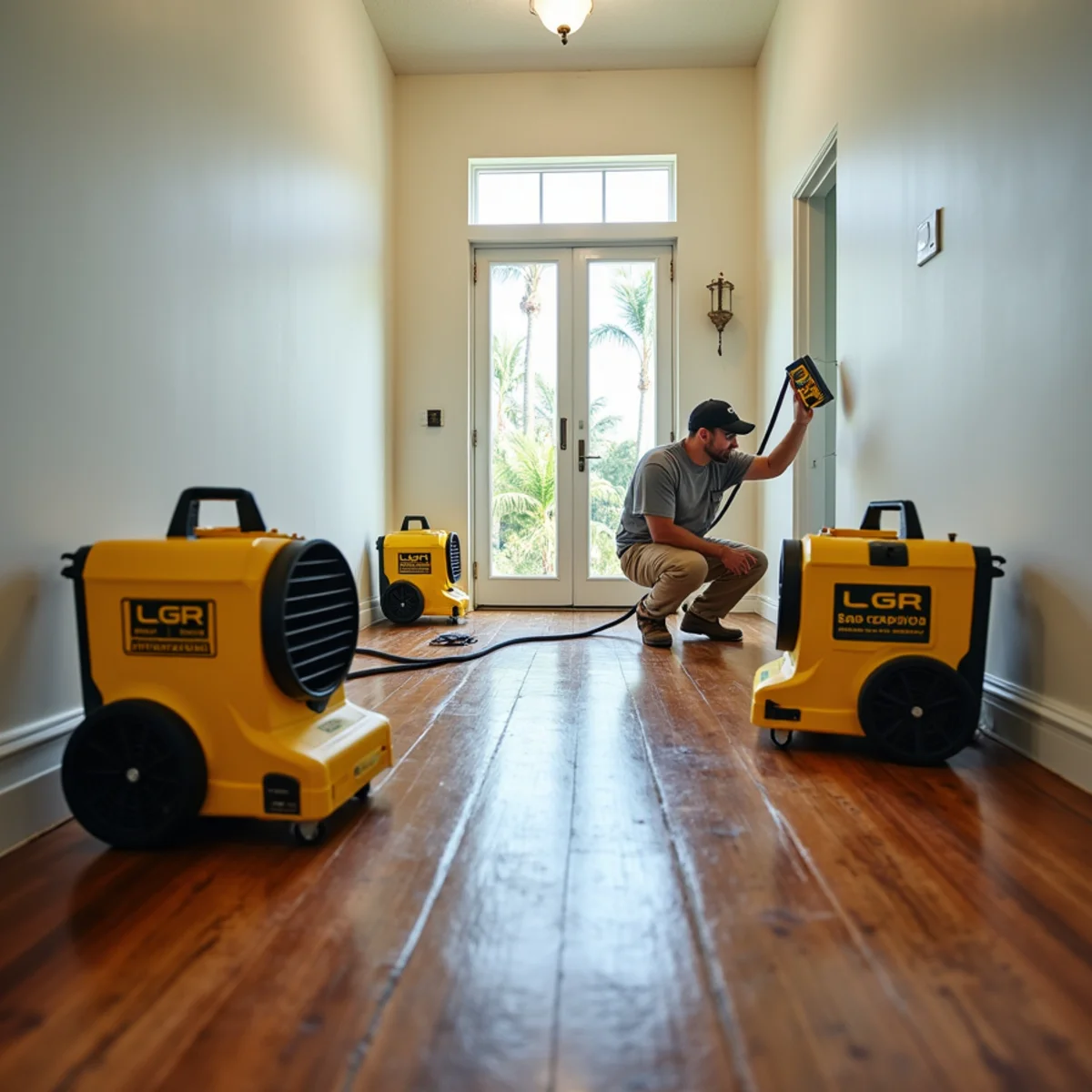
A box fan and an open window might dry a damp spot, but they cannot dry a structure fast enough to beat mold in this climate, and they cannot reach water trapped inside wall cavities or under flooring. Professional drying uses calibrated air movers to speed evaporation, commercial dehumidifiers to remove the released moisture, and sometimes injection systems that push dry air directly into walls and cavities. The equipment is matched to the size of the loss and monitored daily until meters confirm the target is met.
The speed difference is the whole point. The faster the structure is dry, the less secondary damage and the lower the chance of mold, which keeps the overall repair smaller and cheaper.
Why Drying Speed Decides Everything Else
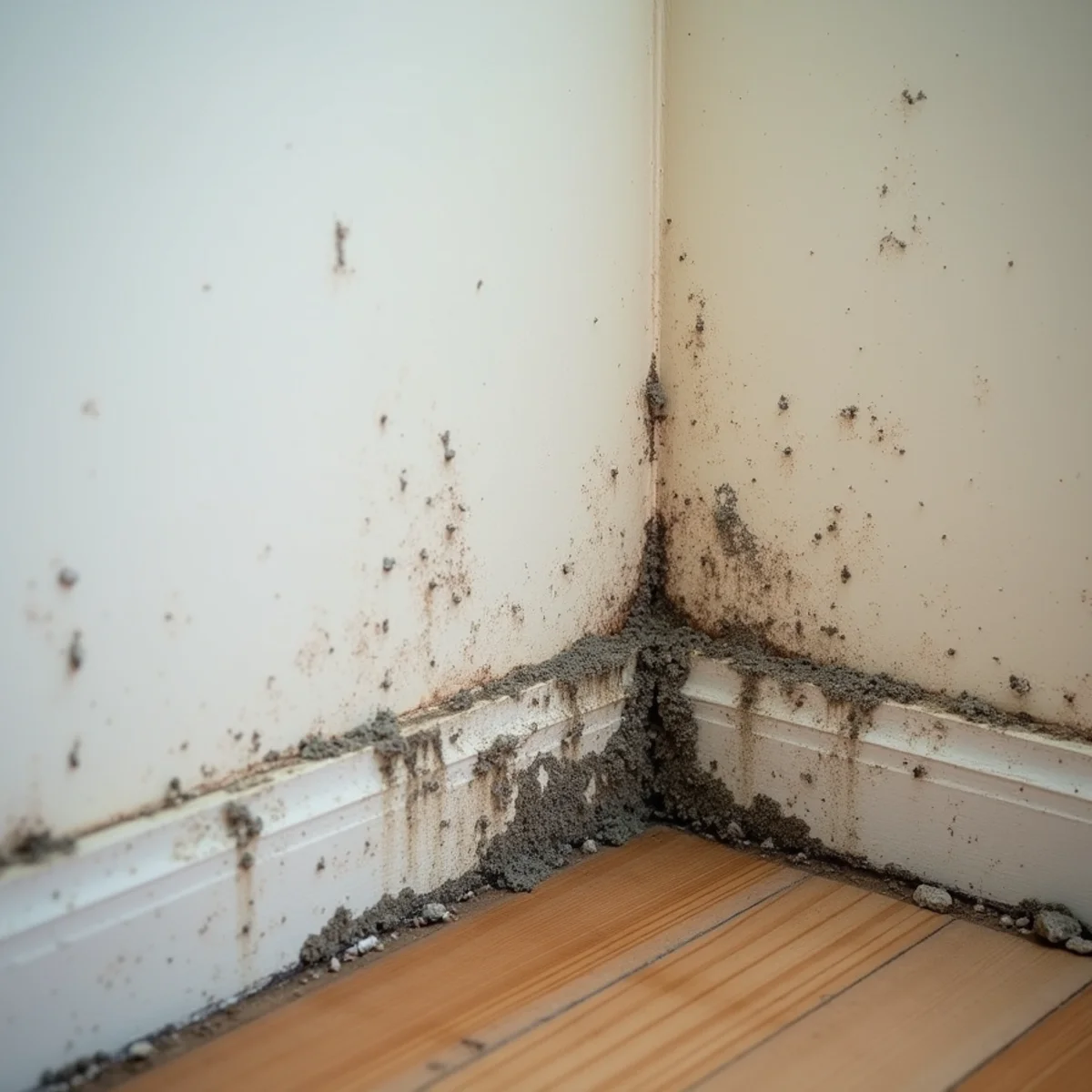
Mold needs only moisture and time, and in a warm, humid home it can begin colonizing within 24 to 48 hours. That single fact is why drying is a race. Beat the window and you likely avoid a mold remediation phase entirely. Miss it and a straightforward water loss becomes a water-plus-mold job. Our post on how fast mold grows after water damage covers that clock in detail.
If your home has standing water or soaked materials right now, the drying clock is already running. Call Ultra Mold Water Restoration at (866) 688-0301 for 24/7 extraction and structural drying across South Florida.
Need water extraction & drying in South Florida?
Ultra Mold responds 24/7 — free inspection, certified & insured. See our water extraction & drying service →
Frequently asked questions
With professional air movers and dehumidifiers, most water damage dries in three to five days. Minor spills caught early can dry in two to three days, while severe losses that soaked walls and flooring can take a week or more.
Drywall typically takes three to five days to dry with professional equipment, longer if water wicked high up the wall. If it is crumbling, swollen, or was exposed to contaminated water, it is usually cut out and replaced rather than dried.
Given enough time it can, but in South Florida's humidity that takes weeks, far longer than the 24 to 48 hours it takes mold to start growing. Natural drying also cannot reach moisture trapped inside walls and under flooring, which is why professional drying is used.
Professionals use moisture meters to compare affected materials against a dry reference area, rather than judging by touch. Drying is complete only when readings hit the documented target, which protects against mold forming behind finished surfaces.