Repair or Replace: The Quick Rule
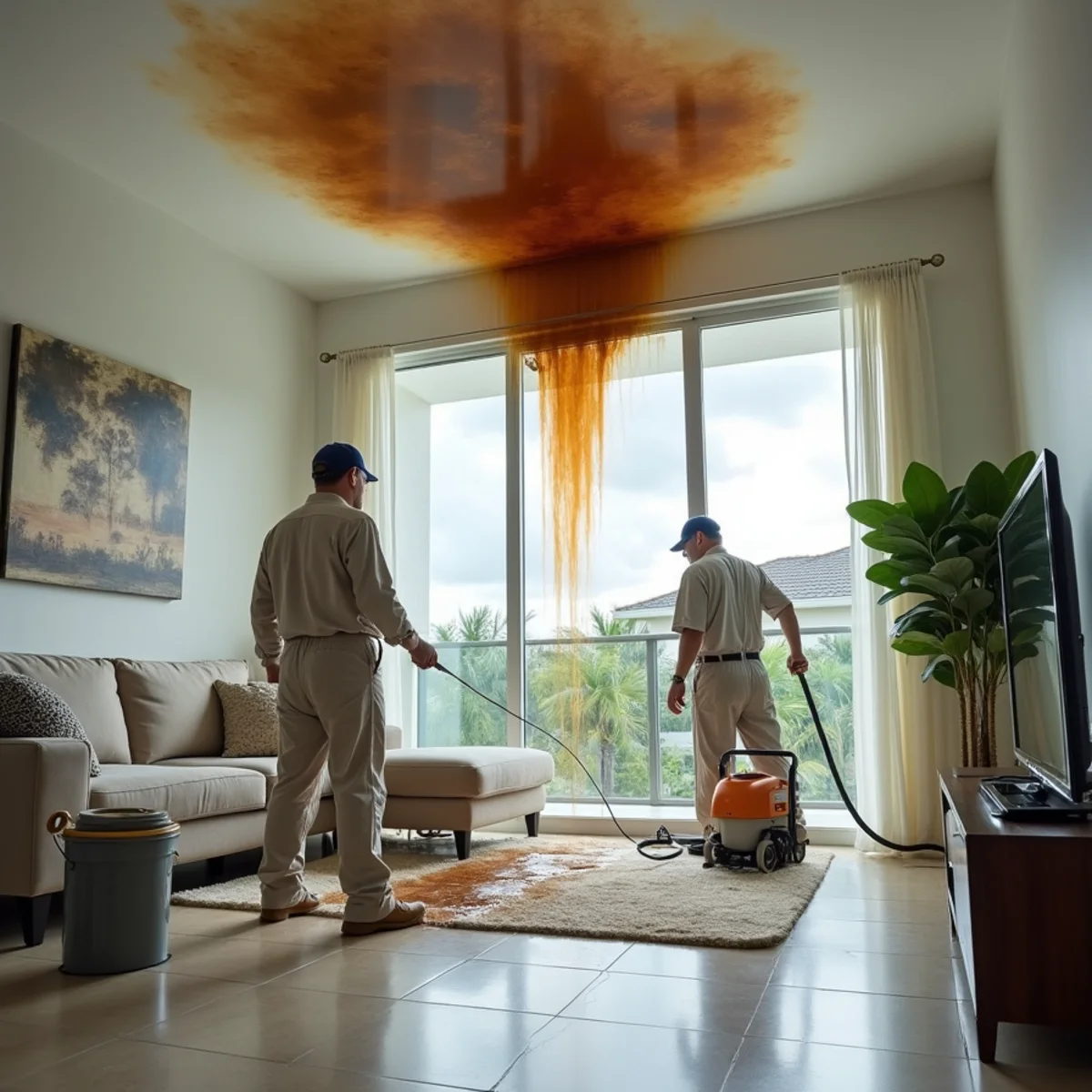
Whether water-damaged drywall can be repaired or has to be replaced comes down to three things: how much water it absorbed, how long it stayed wet, and what kind of water it was. Drywall that got lightly damp from clean water and dried quickly can often be saved. Drywall that is sagging, soft, crumbling, or stained — or that was soaked by contaminated water — needs to come out. The table below sums up the signs that point each way.
| Sign | Usually repairable | Usually replace |
|---|---|---|
| Moisture | Lightly damp, dried within 24–48h | Soaked, or wet for days |
| Texture | Firm, holds shape | Soft, swollen, crumbling, or sagging |
| Staining | Minor surface stain | Spreading brown/yellow stains or bubbling |
| Water type | Clean water | Gray or black (contaminated) water |
| Mold | None | Visible mold or musty smell |
When Drywall Can Be Saved
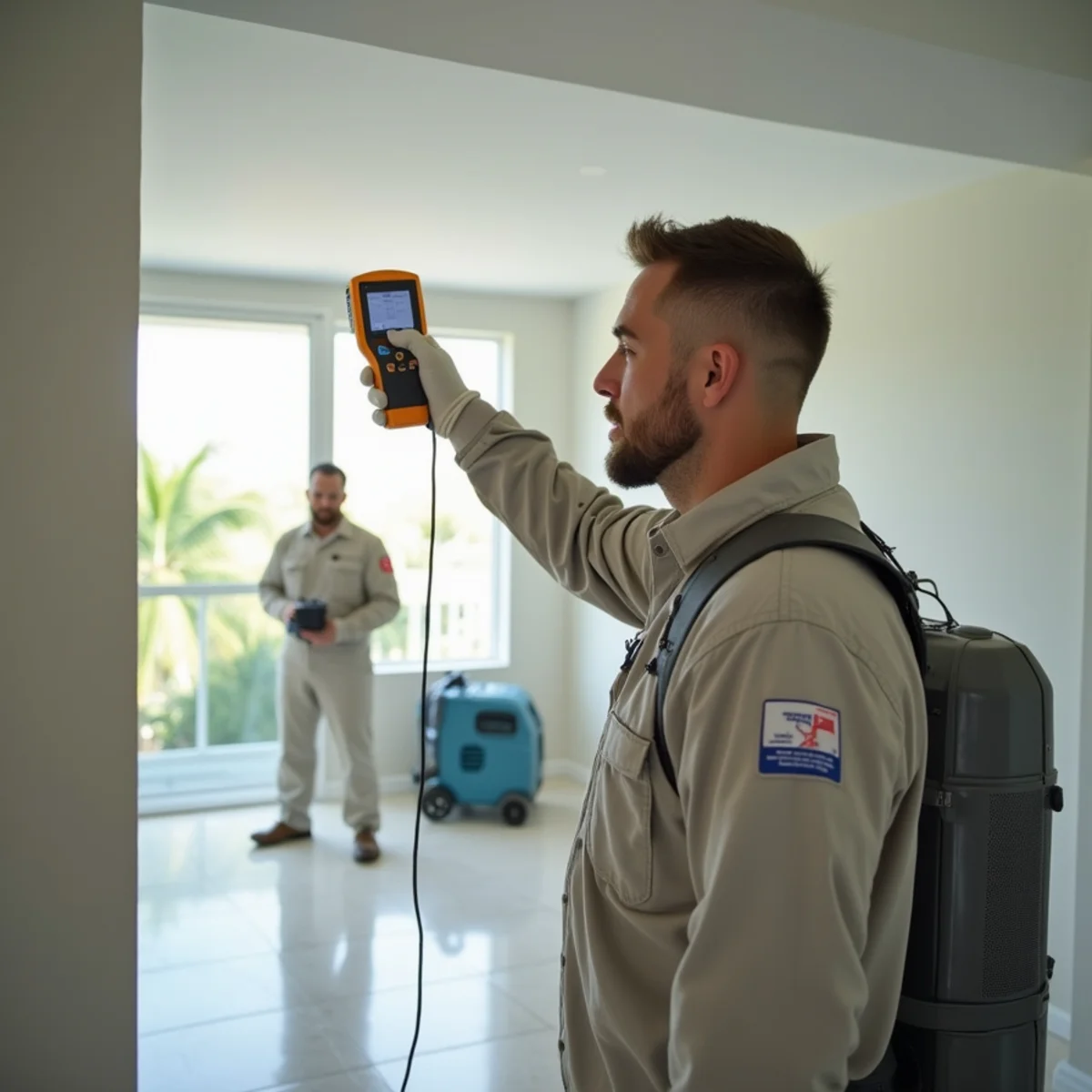
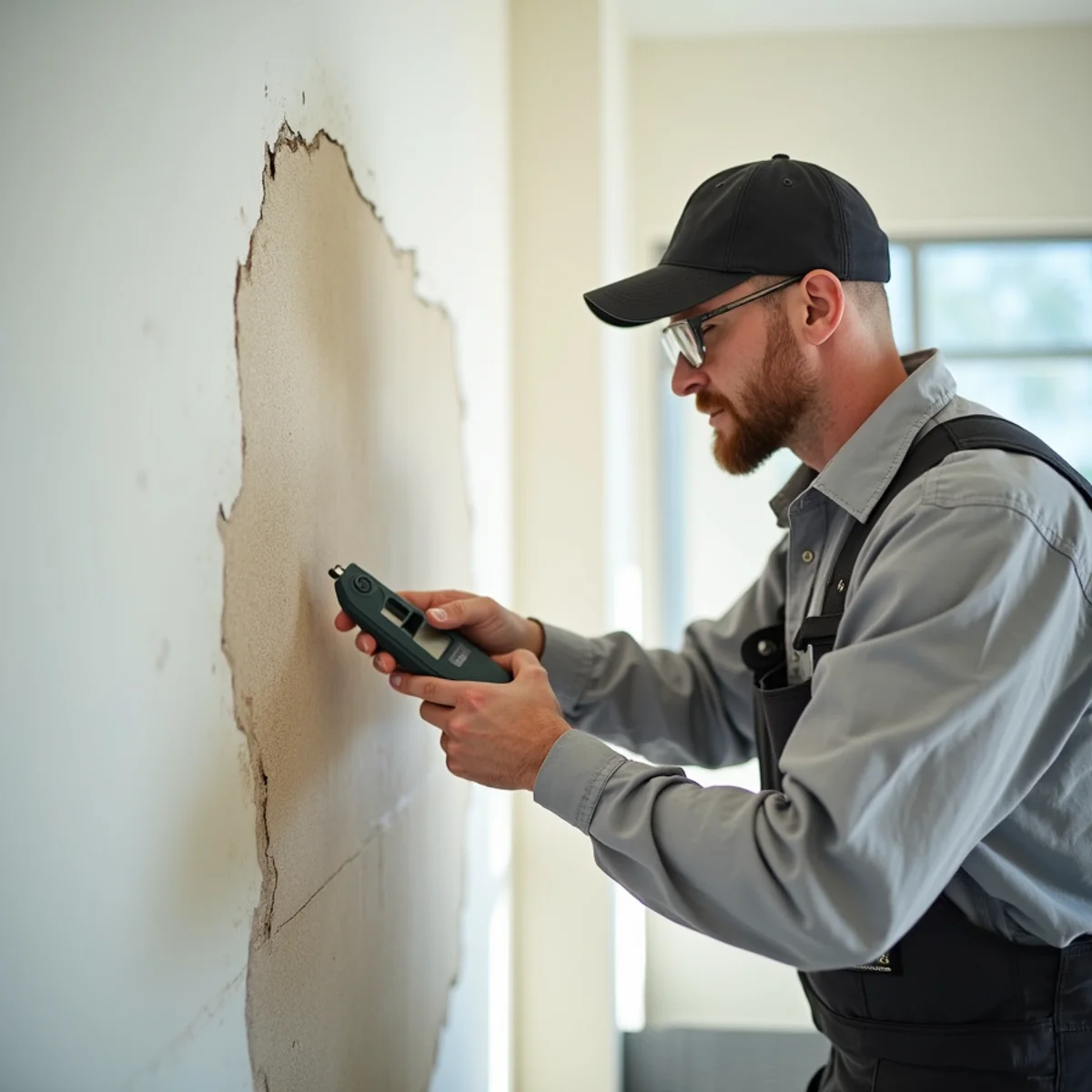
Drywall is more resilient than people expect when the water was clean and the drying was fast. If a supply-line leak or a clean overflow dampened a wall and professional drying started within a day or two, the drywall often dries back to its normal moisture content and stays structurally sound. The key is verifying dryness with a moisture meter rather than guessing by touch, because a wall can feel dry on the surface while the core and the cavity behind it are still wet. Our structural drying crews dry wall cavities with targeted equipment precisely so that salvageable drywall does not get needlessly torn out.
A minor surface water stain on otherwise sound drywall is usually a cosmetic fix: seal the stain and repaint once the material is confirmed dry. The mistake to avoid is painting over a stain while moisture is still present, which just lets it bleed back through.
When It Has to Come Out
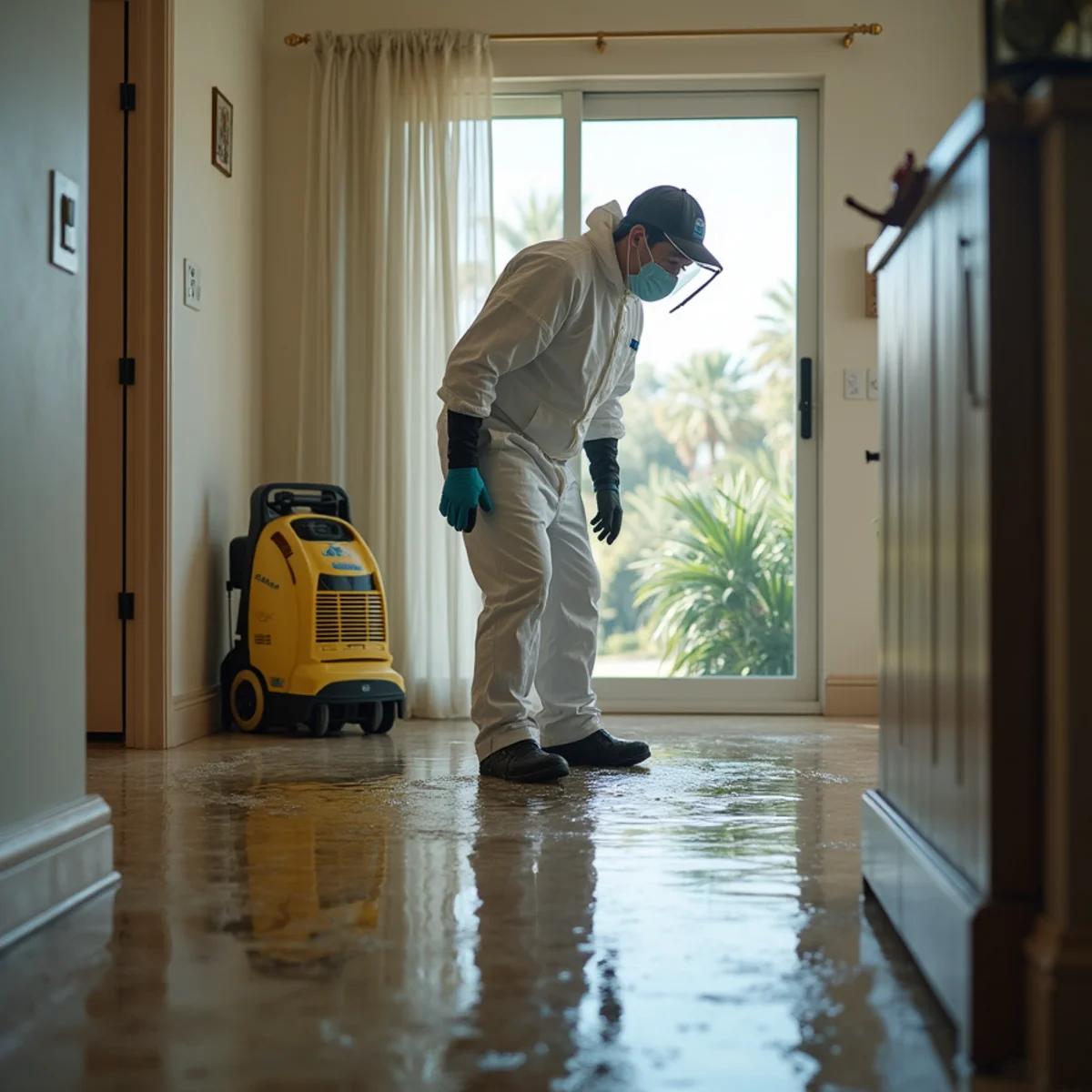
Drywall that is sagging, soft, swollen, or crumbling has lost its integrity and cannot be restored — it has to be cut out and replaced. The same is true any time the water was contaminated. Gray water from an appliance and black water from sewage or flooding both carry contaminants that soak into the porous gypsum core, and no amount of drying makes that drywall safe again. If you are unsure what category of water you are dealing with, our guide to water damage categories explains how to tell, and for contaminated losses our sewage cleanup crews handle removal safely.
Mold is the other decisive factor. Once mold is growing on or inside drywall, the affected sections come out under containment rather than being cleaned in place, because scrubbing porous drywall spreads spores. This is where a water job can turn into a mold remediation job if the moisture sat too long.
How Much Drywall Gets Removed
When drywall is cut out, crews do not remove only the visibly damaged part. Water wicks upward through gypsum, so the standard approach is to cut above the water line to reach dry material — commonly a horizontal cut a foot or two above where the damage is visible, and sometimes a full four-foot or eight-foot section so the replacement lands on clean seams. Removing a clean, straight section also makes the rebuild faster and the finish better than patching an irregular hole. If insulation behind the drywall got wet, it usually comes out too, since wet insulation dries slowly and holds moisture against the framing.
This is why a small-looking stain sometimes leads to a larger opening than homeowners expect. The goal is to get back to dry, sound material so the repair lasts, not to leave hidden moisture behind a new wall.
Does Insurance Cover It, and When to Call
If the water damage came from a sudden, accidental event, most homeowner policies cover drywall repair or replacement as part of returning the home to its pre-loss condition. Gradual damage from a leak that was ignored for months is commonly excluded. Documenting the damage with photos and moisture readings before anything is removed protects the claim — our guide on filing a Florida water damage claim walks through it.
If you have water-stained, soft, or musty drywall and are not sure whether it can be saved, call Ultra Mold Water Restoration at (866) 688-0301. We will check the moisture, make an honest repair-or-replace call, and handle the drying and rebuild across South Florida.
Need water damage restoration in South Florida?
Ultra Mold responds 24/7 — free inspection, certified & insured. See our water damage restoration service →
Frequently asked questions
It depends on how wet it got, how long it stayed wet, and the water type. Lightly damp drywall from clean water that dried within 24 to 48 hours can often be saved. Drywall that is soft, swollen, sagging, moldy, or was soaked by contaminated water needs to be replaced.
Crews cut above the water line to reach dry material, since water wicks upward through gypsum. That often means a horizontal cut a foot or more above the visible damage, and sometimes a full four-foot section so the replacement lands on clean seams.
No. A stain means water was there, and it will not disappear. Once the drywall is confirmed dry, the stain is sealed with a stain-blocking primer and repainted. Painting over it before the material is dry just lets the stain bleed back through.
It can be if it stays wet, because damp drywall grows mold within 24 to 48 hours, and drywall soaked by contaminated water holds bacteria. Sagging, saturated drywall can also fail structurally. Dry, sound drywall with only a minor surface stain is not hazardous.