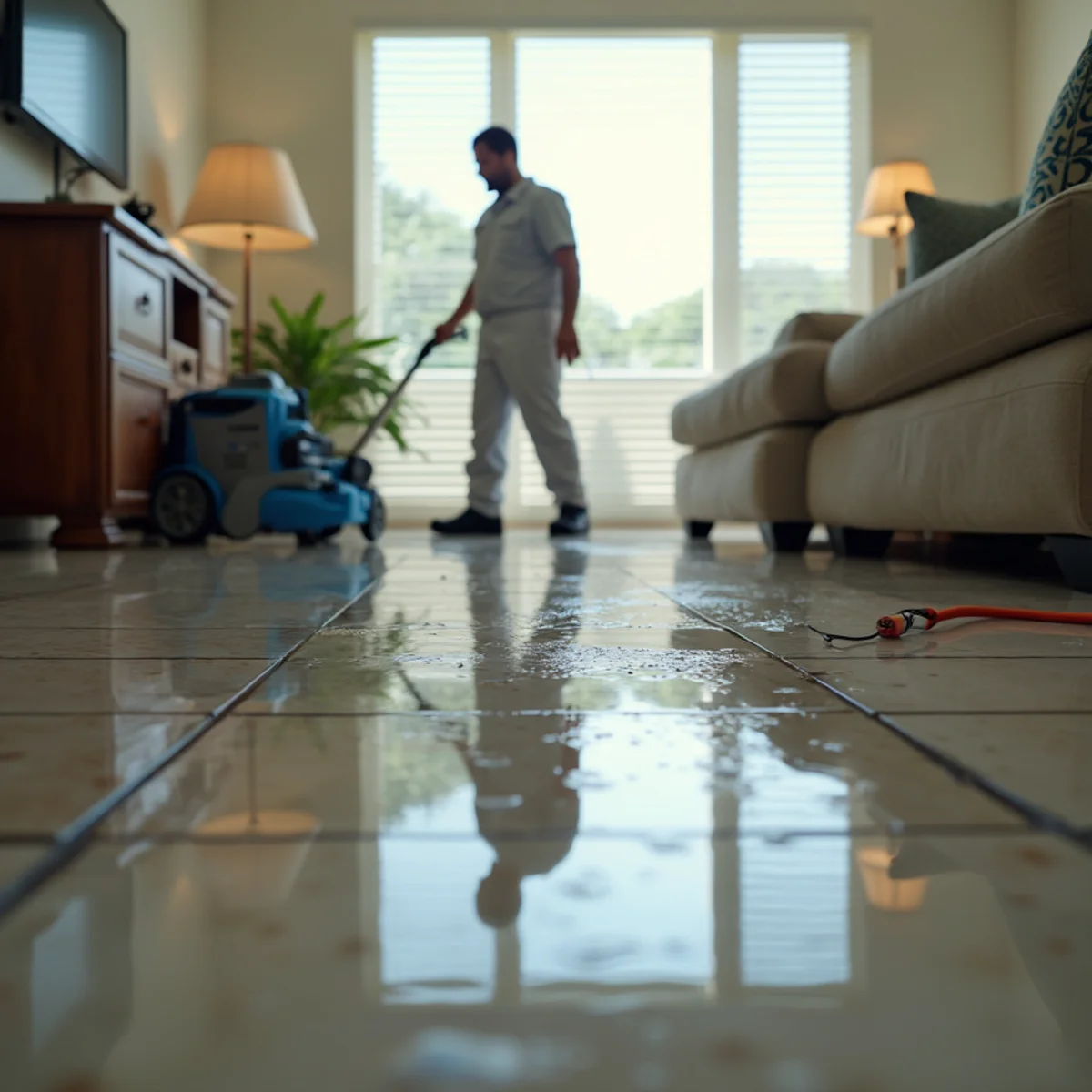
Safety First, Before You Touch the Water
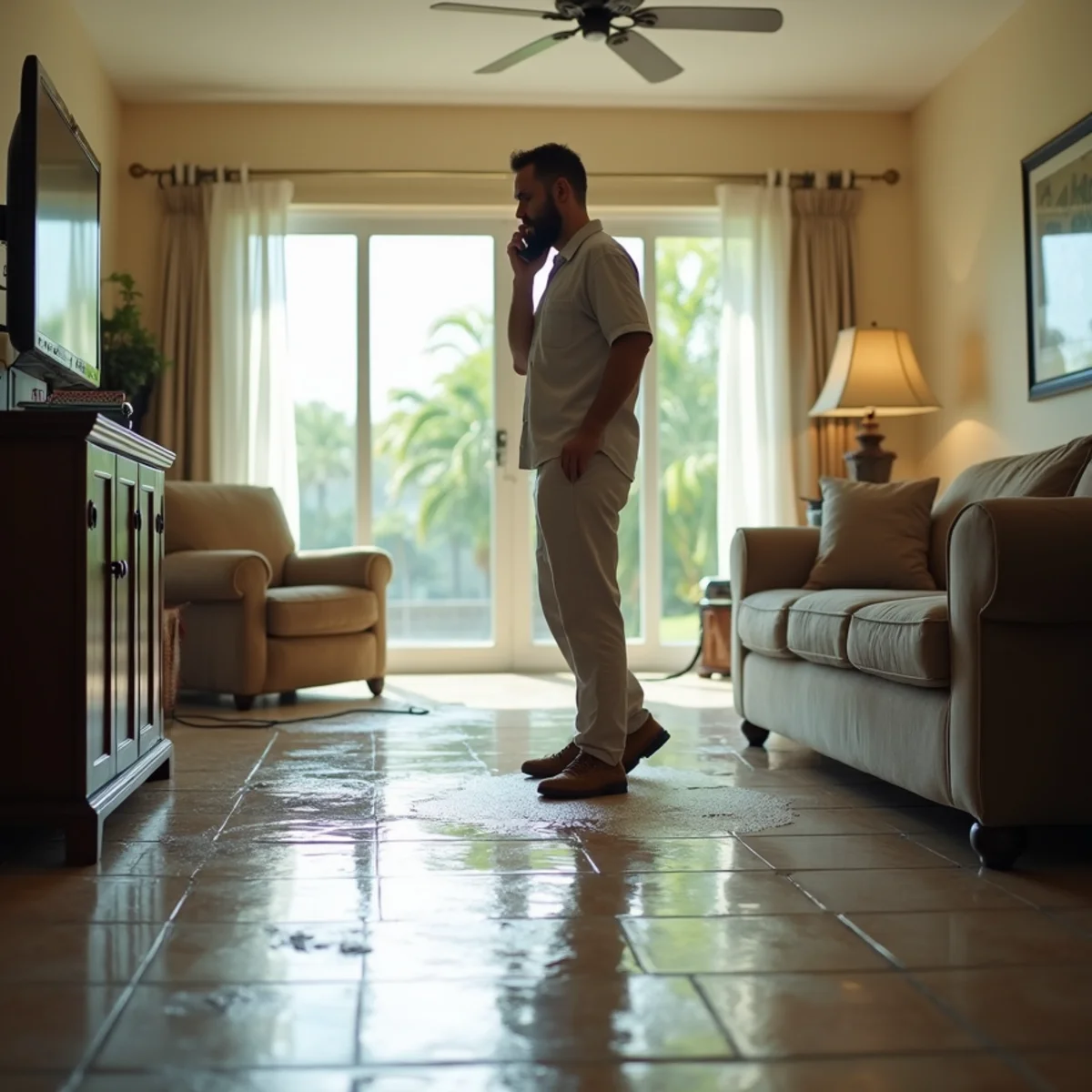
Standing water in a house is both an urgent problem and a potential hazard, so the first moves are about safety, not cleanup. If the water is anywhere near outlets, appliances, or the electrical panel, do not step into it until the power to that area is off — water and electricity are a lethal combination. If you cannot reach the breaker safely without crossing the water, call an electrician or the utility. Next, identify and stop the source if you safely can, whether that is a shutoff valve for a burst pipe or simply waiting out a weather event.
Assume standing water is not clean until you know otherwise. Floodwater and backups carry bacteria and debris, and even a clear-looking pool can be contaminated. Keep children and pets out of the area entirely.
How to Remove Standing Water
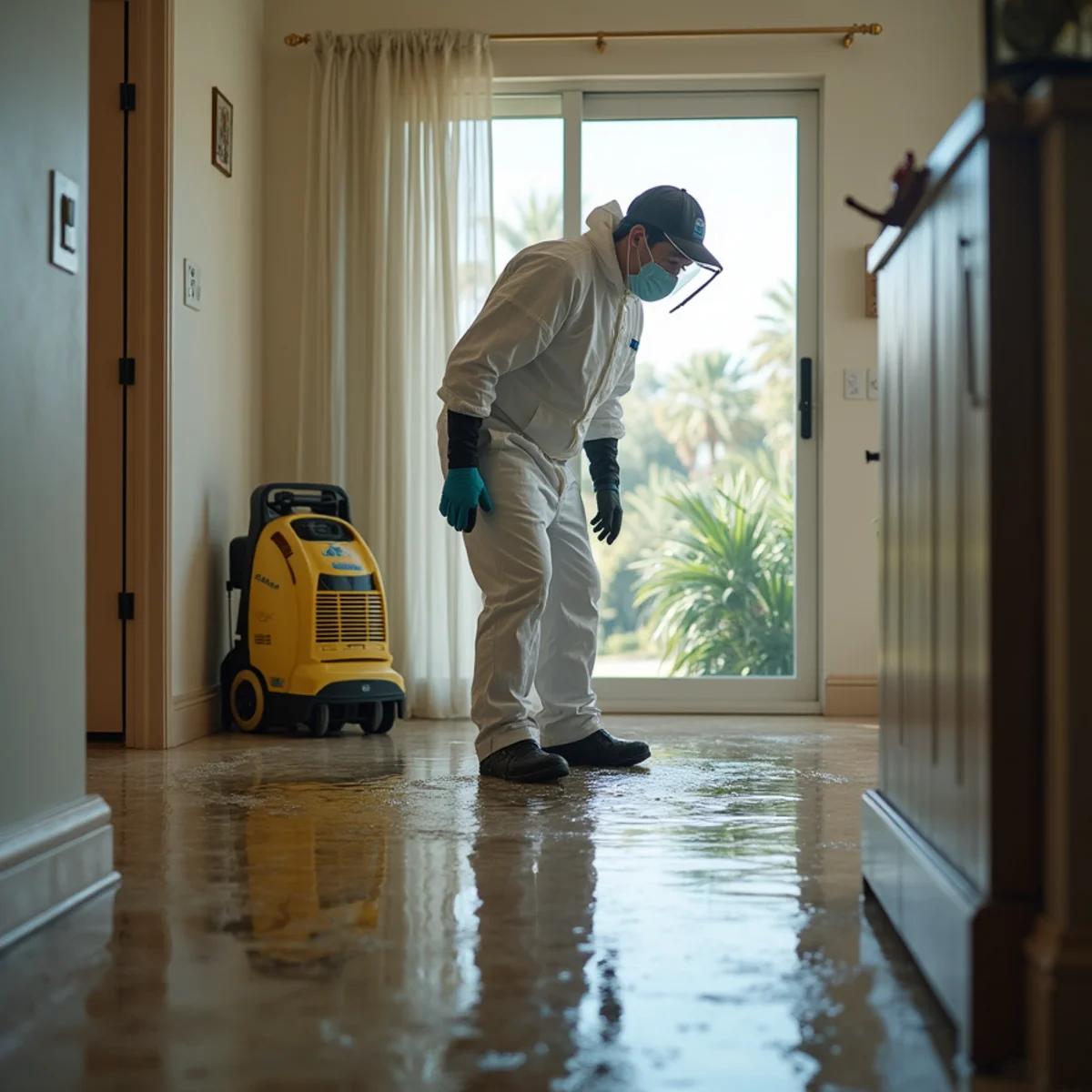
Once the area is safe and the source is stopped, the goal is to get the water out fast. For a small amount of clean water, a wet/dry shop vacuum and towels can handle it. For more than an inch or two, or water across multiple rooms, a submersible pump moves volume far faster. After the bulk water is gone, the real work begins: drying what the water left behind, because the moisture soaked into flooring, drywall, and the slab is what actually causes lasting damage.
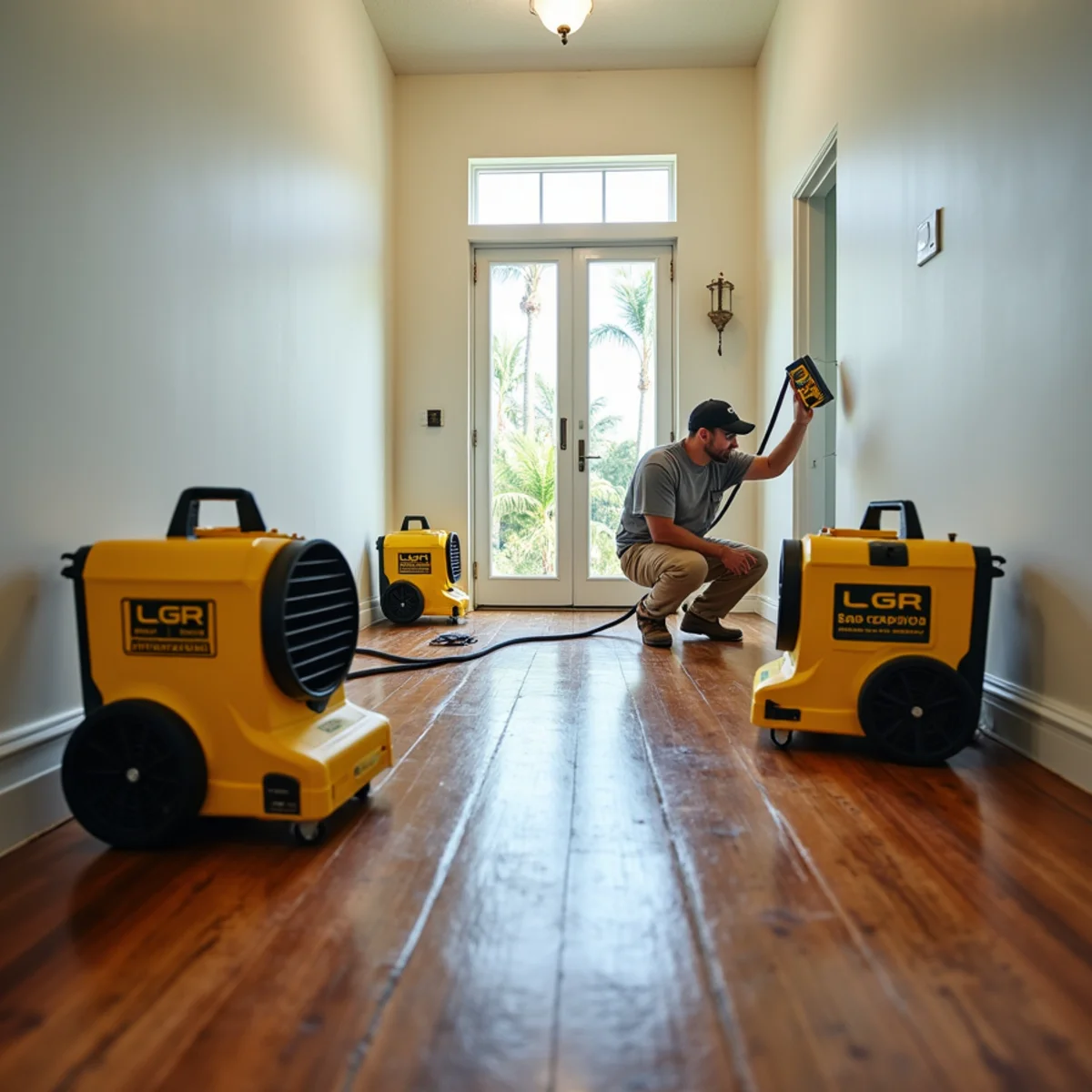
This is where do-it-yourself hits its limit. A shop vac removes surface water, but it cannot dry a wall cavity or a slab, and in South Florida's humidity, air-drying alone loses the race against mold. Our water extraction and structural drying crews remove standing water and then dry the structure with commercial equipment, which is the part that prevents the next problem.
The Dangers of Letting It Sit
- Mold can begin within 24 to 48 hours once materials are wet and warm.
- Electrical hazards remain as long as water is near outlets, cords, or appliances.
- Contamination spreads — gray and black water carry bacteria that soak into porous materials.
- Structural damage grows as water wicks up drywall, swells wood, and undermines flooring.
- The longer it sits, the larger and more expensive the eventual repair becomes.
Clean, Gray, or Black Water — When to Stop and Call
What the water is matters as much as how much of it there is. Clean water from a supply line is the best case and is often manageable if removed fast. Gray water from an appliance carries some contamination. Black water from sewage or outdoor flooding is a biohazard and should not be handled without protection — that is a stop-and-call situation, and our sewage cleanup team manages it safely. Our guide to water categories explains how to tell them apart. If the standing water came from a storm or a major event, our flood cleanup crews are set up for volume removal and contamination.
For a step-by-step on the critical first hour of a flooded home, see our guide on what to do in the first hour after flooding.
When Standing Water Keeps Coming Back
If water pools in the same spot after every heavy rain, you are not looking at a one-time accident but a drainage or grading problem. Common culprits in South Florida include poor lot grading that slopes toward the house, overwhelmed or clogged drains, a high water table during the wet season, and seepage through a slab. Removing the water again and again treats the symptom; identifying why it collects there is what actually solves it. Recurring intrusion also keeps the area damp enough to grow mold between events, so it is worth diagnosing rather than mopping up repeatedly.
If you have standing water now, or it keeps returning, call Ultra Mold Water Restoration at (866) 688-0301. We remove the water, dry the structure, and help pinpoint why it is happening.
Need water extraction & drying in South Florida?
Ultra Mold responds 24/7 — free inspection, certified & insured. See our water extraction & drying service →
Frequently asked questions
After making sure the power is off near the water and the source is stopped, remove small amounts with a wet/dry vac and towels, or use a submersible pump for larger volumes. Then dry the structure with professional equipment, since soaked materials are what cause lasting damage.
Yes. It poses electrical shock risk near outlets and appliances, can be contaminated with bacteria, and lets mold begin within 24 to 48 hours. Floodwater and sewage backups are biohazards that should not be handled without protection.
Mold can start within 24 to 48 hours in a warm, humid home. That short window is why standing water should be removed and the area dried as quickly as possible, rather than left to evaporate.
Recurring standing water usually points to a drainage or grading problem, a clogged drain, a high wet-season water table, or seepage through the slab. The water needs removing, but the underlying cause has to be found to stop it from returning.