The Short Answer: It Depends on Three Things
Wet carpet can sometimes be saved and sometimes has to go, and the decision comes down to three factors: what kind of water soaked it, how long it stayed wet, and whether the padding underneath can be salvaged. Clean water caught within a day or two often means the carpet can be dried and kept. Contaminated water, or carpet that sat wet for days, usually means replacement. The carpet itself is often more salvageable than the padding beneath it, which acts like a sponge and is almost always replaced.
Getting this call right matters because a wrong guess goes two ways: throwing out carpet that could have been saved wastes money, and keeping carpet that should have been tossed grows mold under your feet.
Water Category Decides a Lot
The type of water is the first filter. Clean water from a supply line or rain is Category 1 and carpet exposed to it can usually be saved if dried fast. Gray water from an appliance or a washing machine is Category 2 and carries risk; carpet may be salvageable with professional cleaning, but padding is replaced. Black water from sewage or flooding is Category 3 and is a biohazard, which means carpet and padding both come out, no exceptions. Our guide to water damage categories explains the differences in full, and if sewage is involved our sewage cleanup crews handle it as the hazard it is.
This is why a restorer asks where the water came from before deciding anything. The source determines whether you are looking at a drying job or a removal job.
The 24 to 48 Hour Window
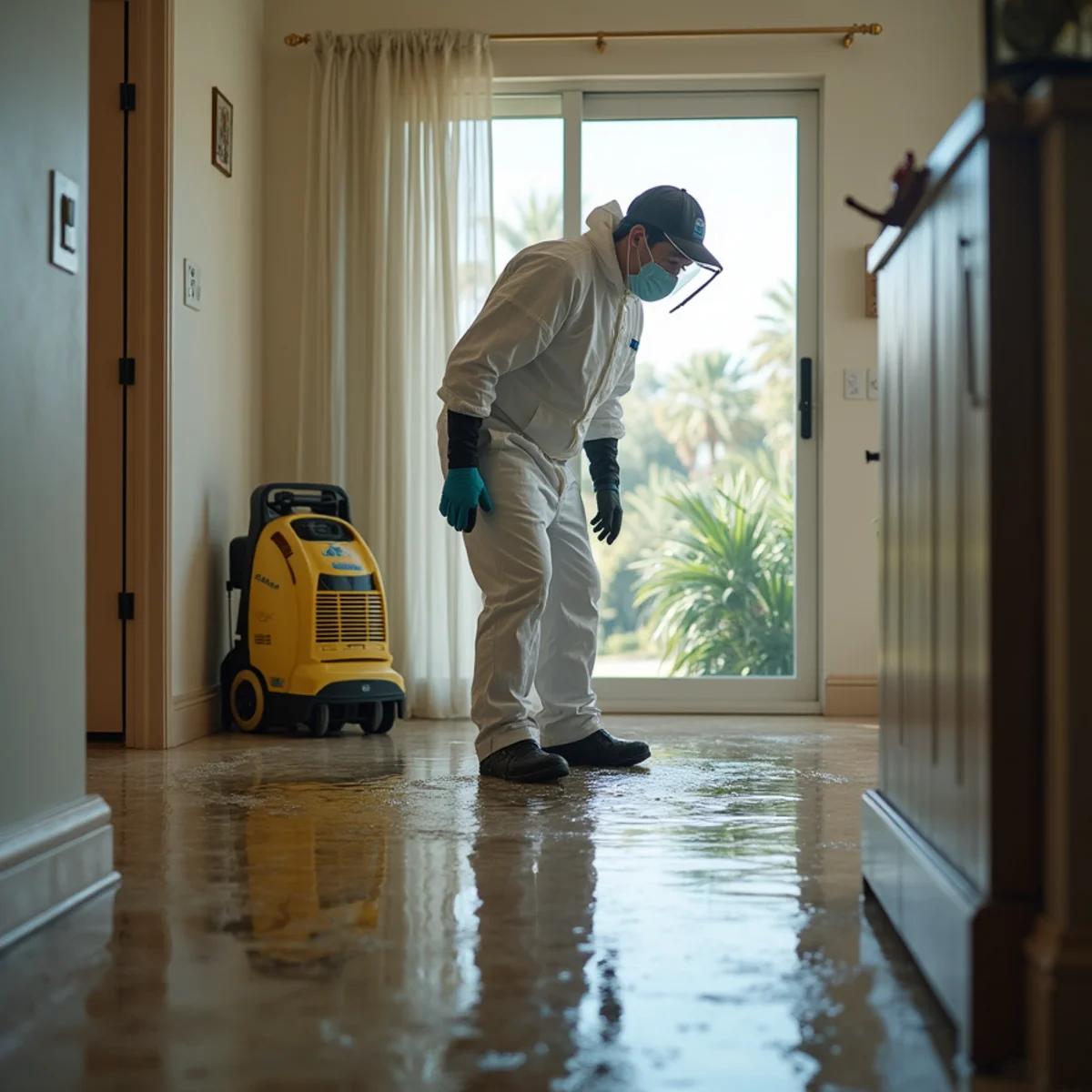
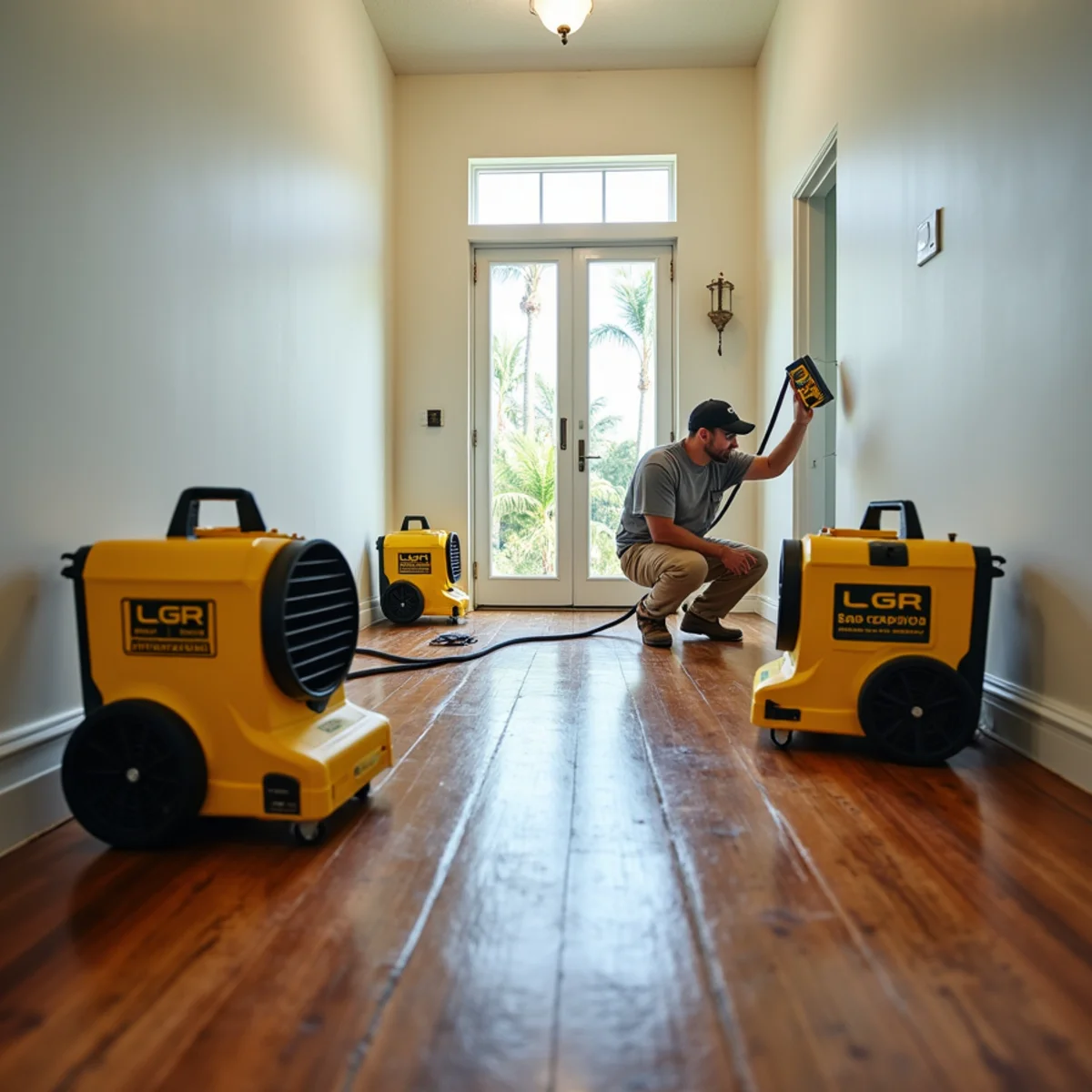
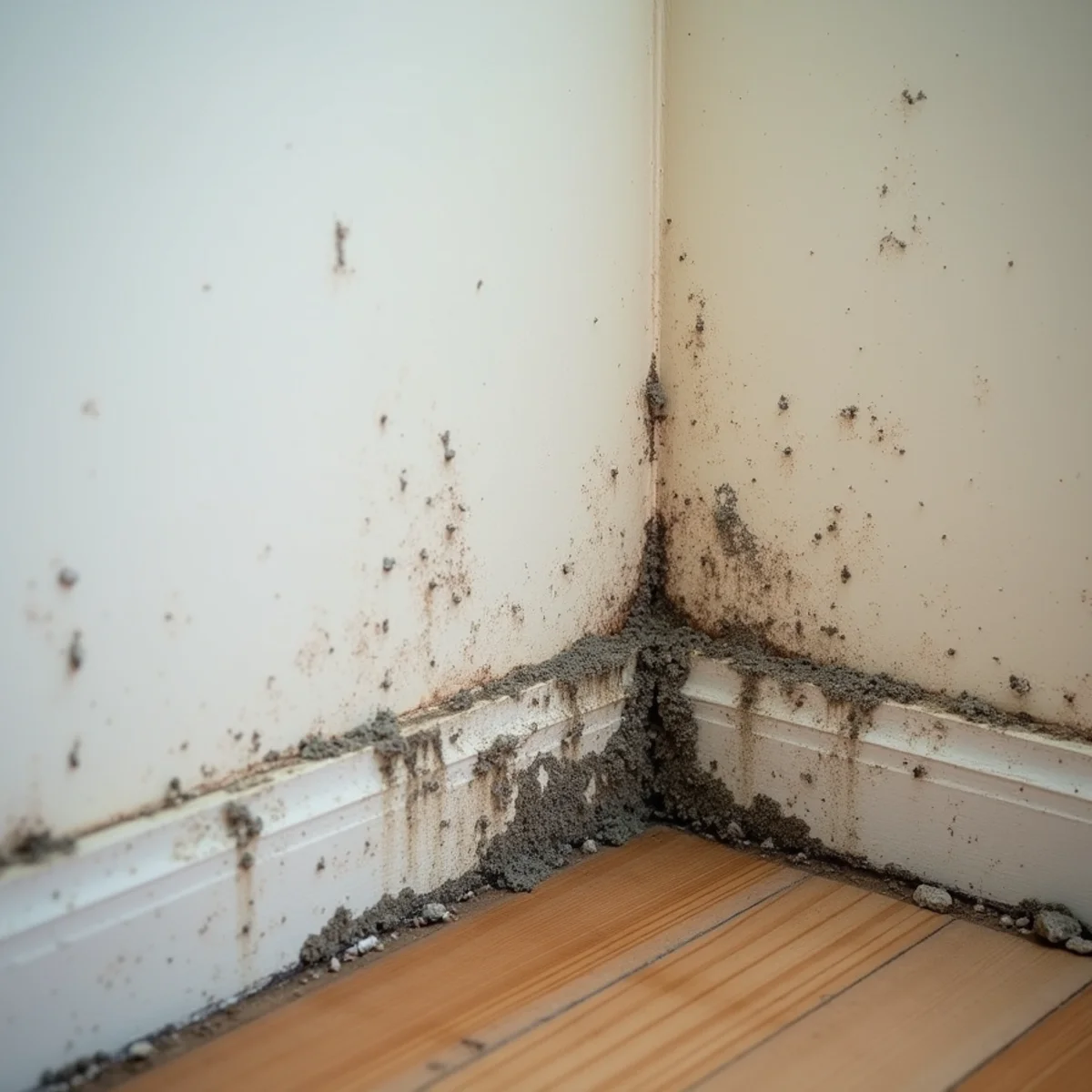
Even clean water turns into a problem if it sits. Mold can begin growing in wet carpet and padding within 24 to 48 hours, and once it is established in the padding there is no drying it back to safe. That window is the real deadline. Carpet extracted and dried quickly with professional equipment has a good chance; carpet discovered days later, still damp and starting to smell, usually does not. Fast water extraction and drying is what preserves the option of saving it at all.
The musty smell that lingers after carpet seems dry is the classic sign the window was missed. That odor is microbial growth in the backing or pad, and no amount of surface cleaning removes it.
Why the Padding Almost Always Gets Replaced
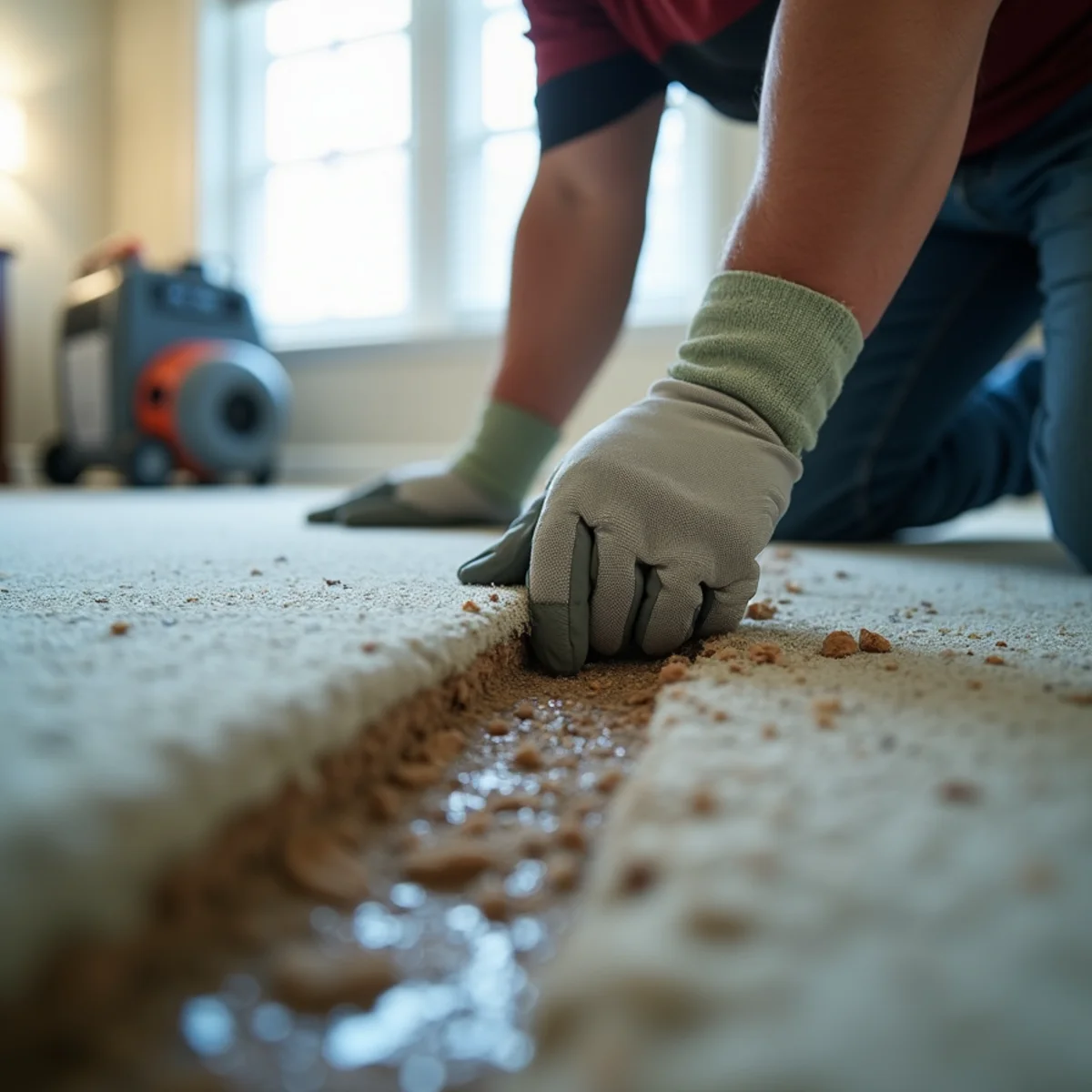
Carpet padding is designed to be soft and absorbent, which makes it terrible at drying out. It holds water against the subfloor, dries slowly, and traps contaminants. In almost every water loss, the padding is removed and replaced even when the carpet above it is saved. This is normal and not a sign of overcharging — it is cheaper than the mold problem that follows damp padding. The carpet is lifted, the old pad discarded, the subfloor dried and treated, and new pad installed before the carpet is re-laid and re-stretched.
What to Do With Wet Carpet Right Now
- Stop the water source if you safely can, and keep people and pets off the wet area.
- If the water is clean, blot and extract as much as possible and get air moving; a wet/dry vac helps.
- Lift a corner to check the padding and subfloor underneath rather than assuming the surface tells the story.
- Do not use a household steam cleaner on contaminated water, and do not just point a fan at it and walk away in our humidity.
- Call a professional for anything beyond a small clean-water spill, especially if the water was gray or black or sat overnight.
When to Call a Pro
If the carpet covers a large area, the water was not clean, or it has been wet for more than a day, professional extraction gives you the best chance of saving what can be saved and safely removing what cannot. Ultra Mold Water Restoration extracts, dries, and restores across South Florida 24/7. Call (866) 688-0301 and we will tell you honestly whether your carpet can be saved.
Need water extraction & drying in South Florida?
Ultra Mold responds 24/7 — free inspection, certified & insured. See our water extraction & drying service →
Frequently asked questions
Often yes, if the water was clean and the carpet is extracted and dried within 24 to 48 hours. Carpet soaked by gray or black water, or left wet for days, usually has to be replaced. The padding underneath is almost always replaced regardless.
Almost always, yes. Padding is highly absorbent, dries very slowly, and holds water against the subfloor, which makes it a prime spot for mold. It is standard practice to replace the pad even when the carpet above it is saved.
Mold can start growing in wet carpet and padding within 24 to 48 hours in a warm, humid environment. That is why fast extraction and drying is the deciding factor in whether carpet can be saved.
A musty smell after drying usually means microbial growth in the backing or padding that surface drying did not reach. The odor signals the carpet was wet too long; it typically requires removing the affected padding and treating the subfloor.