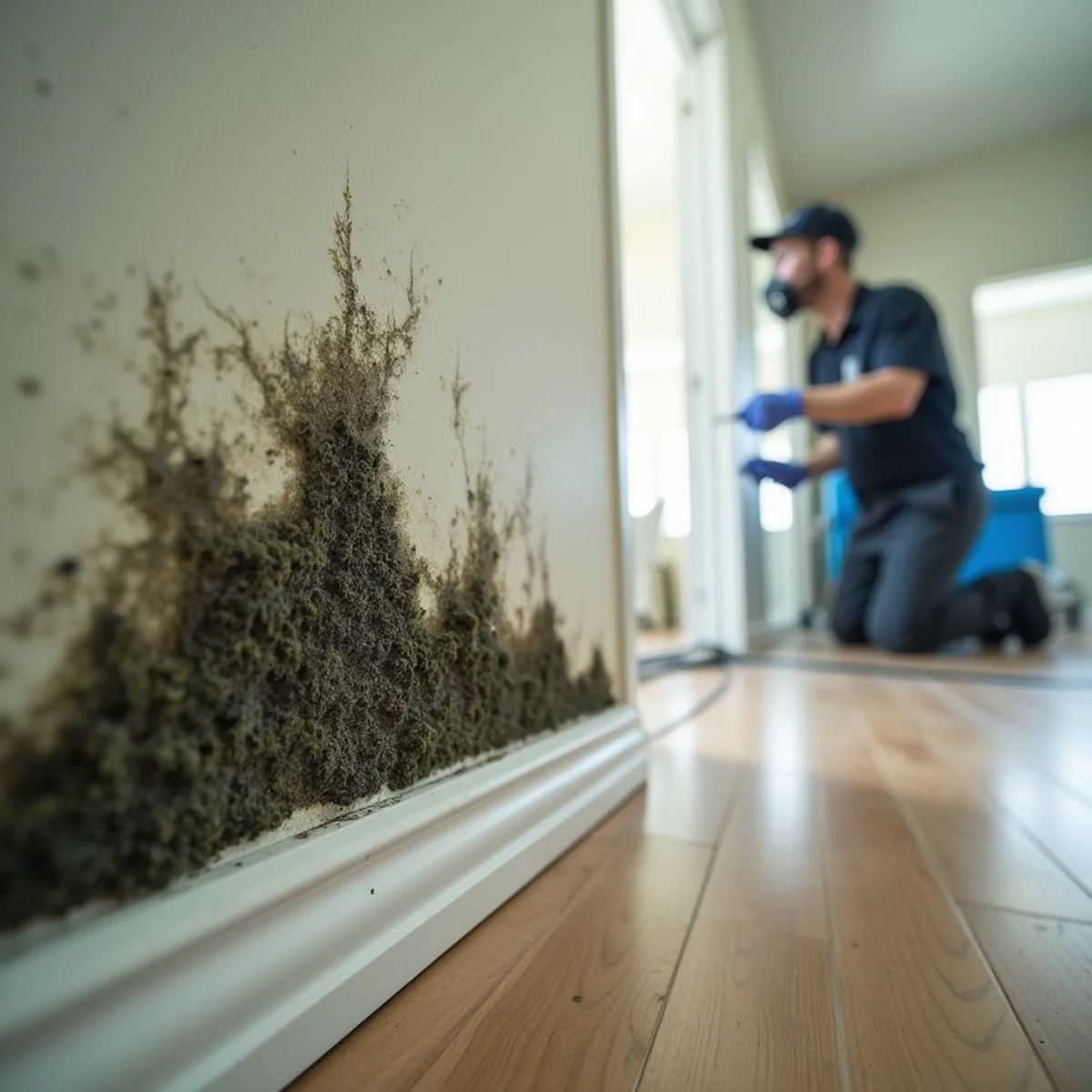
The Honest Answer
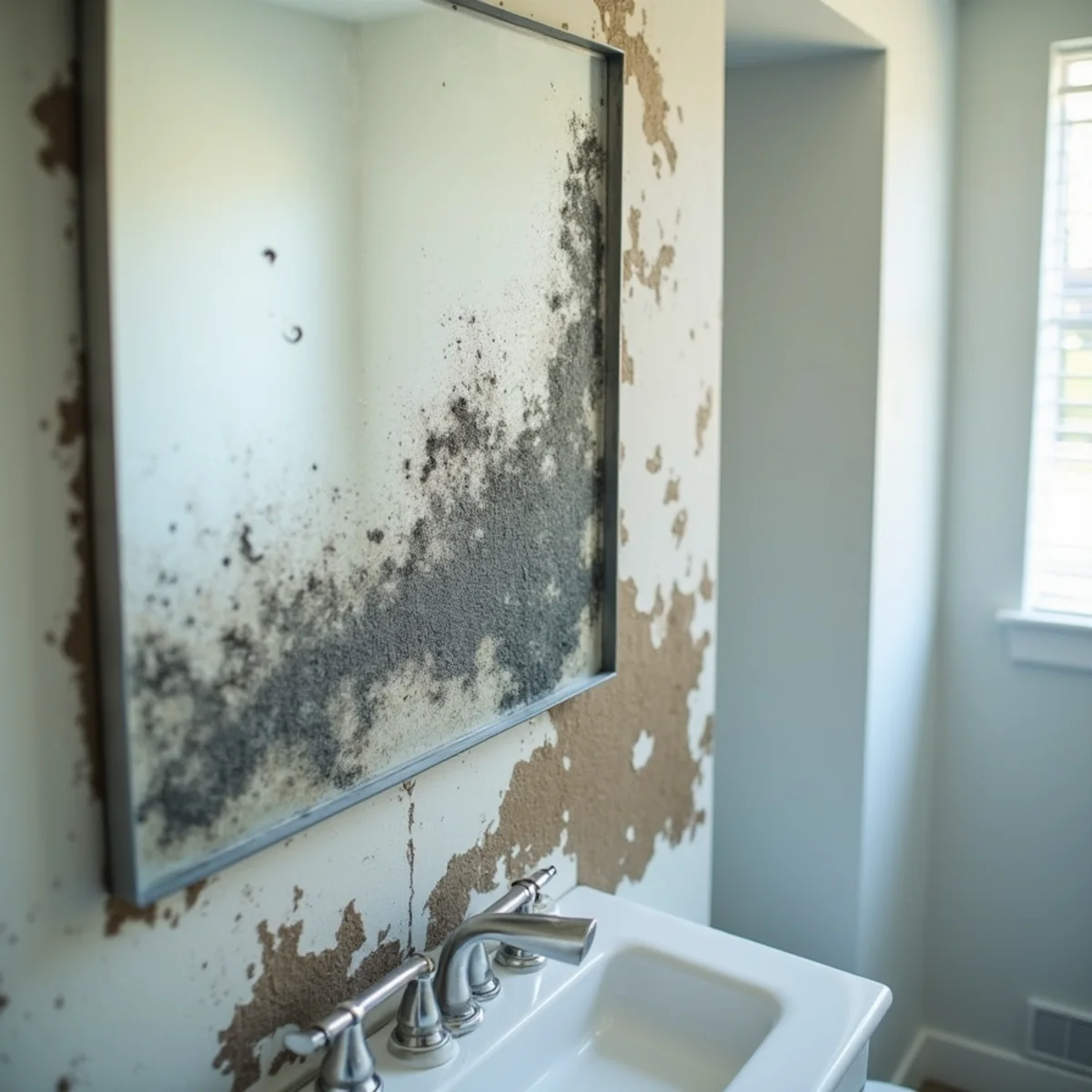
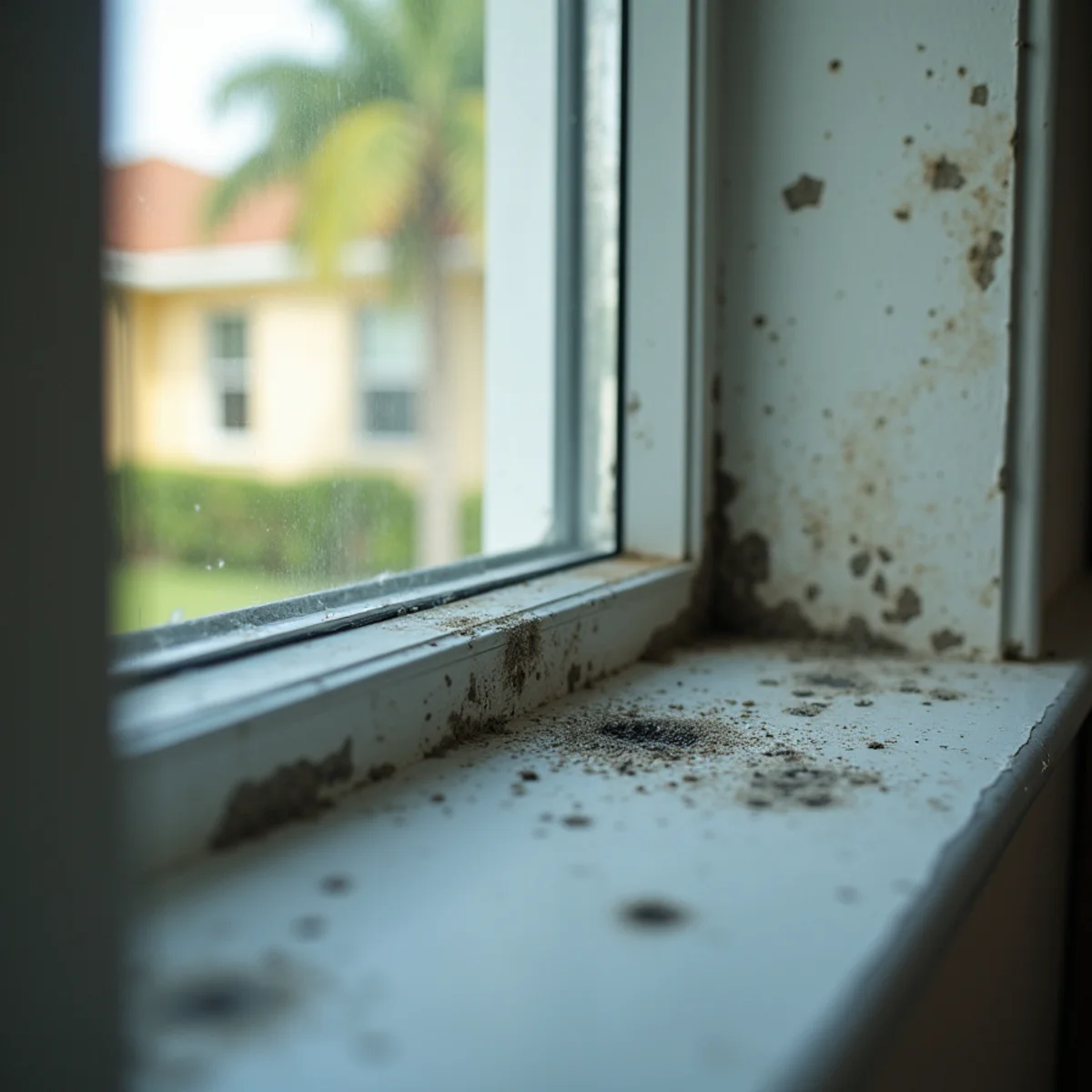
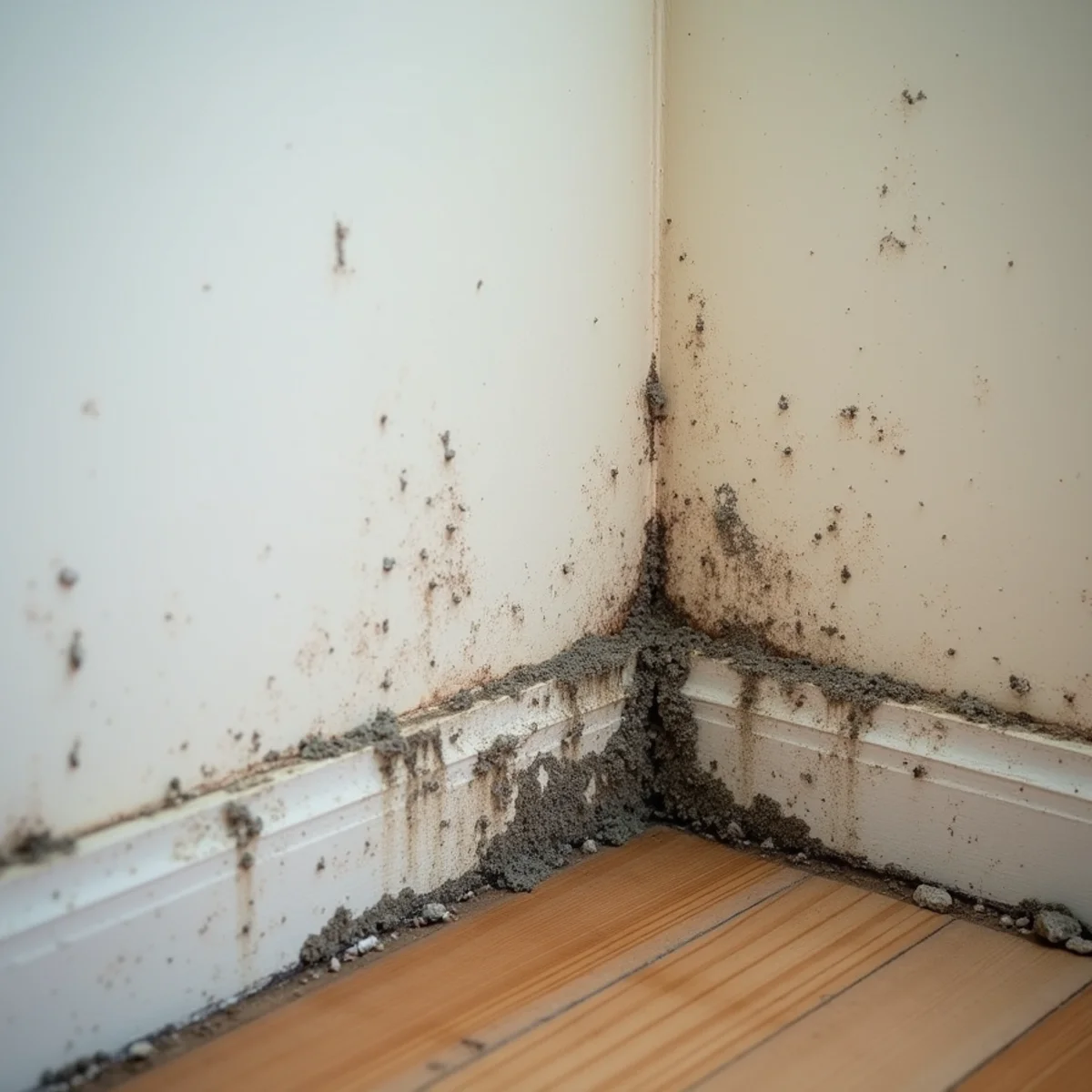
Black mold has a fearsome reputation, and the honest answer is more measured than the headlines: for most healthy people, exposure to indoor mold causes allergy-type symptoms rather than serious illness, but it is not something to live with. The dramatic claims about "toxic black mold" causing severe disease are not well supported by the research, yet public health agencies are also clear that no indoor mold growth is good for you, and some people react strongly. So the practical takeaway is simple: you do not need to panic, but you do need to remove it and fix the moisture feeding it.
It also helps to know that "black mold" is not a precise term. People use it for Stachybotrys chartarum, a greenish-black species, but many dark molds are something else entirely, and color alone cannot identify a species or its risk. Our guide on telling black mold from mildew covers that identification question; this article is about the health side.
What the Health Research Actually Supports
Public health bodies like the CDC and EPA agree on the core points: exposure to damp, moldy environments is associated with respiratory symptoms, and people with allergies, asthma, or weakened immune systems can react more strongly. The link between indoor dampness and problems like coughing, wheezing, and upper-respiratory irritation is well established. What is not well established is the popular idea that household black mold routinely causes severe, exotic illness in otherwise healthy people. The responsible position is to treat mold as a genuine indoor-air-quality and allergy concern, take it seriously, and not let fear drive decisions.
Because reactions vary so much from person to person, the amount of mold that bothers one household may not affect another. That variability is exactly why the fix is the same regardless of species: remove the growth and eliminate the moisture, rather than trying to diagnose a specific toxin.
Common Symptoms of Mold Exposure
- Nasal congestion, runny nose, and sneezing.
- Coughing, wheezing, or a tight chest, especially for people with asthma.
- Itchy or watery eyes and throat irritation.
- Skin irritation in some people.
- Worsening of existing allergies or asthma that eases when away from the home.
Who Is Most at Risk
The people most likely to react are those with asthma or allergies, infants and young children, older adults, and anyone with a weakened immune system or a chronic lung condition. For these groups, prompt removal matters more, and symptoms tend to be more pronounced. A useful real-world signal for any household is the "away test": if congestion, headaches, or respiratory irritation consistently ease when someone leaves the house and return when they come back, the indoor environment is worth investigating regardless of what the growth looks like.
If anyone in your home is experiencing persistent or severe symptoms, the right move is to see a doctor — this article is general information, not medical advice. What we can tell you confidently is how to remove the mold safely so the exposure stops.
Why the Species Matters Less Than You Think
Homeowners often want to lab-test the growth to find out whether it is "the dangerous kind." In practice, testing rarely changes the plan. Any significant indoor mold needs to be removed, the response is the same across species, and the real problem — excess moisture — has to be fixed either way. Testing has its place, for example confirming whether a musty-smelling area has hidden growth, and our mold inspection and testing service can do that when it is genuinely useful. But chasing a species label is usually a distraction from the fix.
This is why professionals focus on extent and moisture rather than on identifying a toxin. If the growth is more than a small surface patch, is on porous materials like drywall, or keeps returning, it is time for proper removal.
What to Do About It
A small patch of surface mold on non-porous tile or grout can often be cleaned by a homeowner with ventilation and protection. Anything larger, anything on or inside drywall, anything tied to a water leak, or anything accompanied by a strong musty smell should be handled professionally. Scrubbing mold on porous materials can release spores and spread the problem through the house. Our mold remediation team removes growth under containment with HEPA filtration so spores are not scattered, and then the moisture source is addressed so it does not come back.
Do not ignore it, and do not panic. If you are seeing mold and are unsure how serious it is, call Ultra Mold Water Restoration at (866) 688-0301 and we will assess it honestly and remove it safely across South Florida.
Need mold remediation & removal in South Florida?
Ultra Mold responds 24/7 — free inspection, certified & insured. See our mold remediation & removal service →
Frequently asked questions
For most healthy people, indoor mold causes allergy-type symptoms like congestion and irritation rather than serious illness. People with asthma, allergies, or weakened immune systems can react more strongly. No indoor mold is good to live with, so it should be removed regardless of species.
Common symptoms include nasal congestion, coughing, wheezing, itchy or watery eyes, throat irritation, and worsening asthma or allergies. A telling sign is symptoms that ease when you leave the home and return when you come back.
Usually not. Testing rarely changes the plan, because any significant indoor mold should be removed and the moisture source fixed regardless of species. Testing is useful mainly to confirm hidden growth, not to decide whether to act.
A small surface patch does not require leaving. For larger growth, or if sensitive individuals are having strong symptoms, limit time in the affected area and have it removed professionally. If anyone has severe or persistent symptoms, see a doctor.